Welcome to a clear, practical guide on understanding farm fencing cost per metre in Palmerston North, designed for farmers, lifestyle block owners, and rural property buyers who want realistic pricing without the confusion. If you’ve been trying to budget for new fencing or replacements, you’ve probably noticed that costs can vary widely depending on fencing type, terrain, materials, and labour conditions specific to the Manawatū region. From flat paddocks to rolling farmland, from sheep and beef properties to lifestyle blocks, fencing requirements in Palmerston North aren’t one-size-fits-all, and neither are the costs. In this guide, we’ll break down average price ranges, explain what actually drives fencing costs per metre, and help you understand what to expect before requesting quotes, so you can plan confidently, avoid surprises, and choose a fencing solution that suits both your land and your long-term needs.
Farm fencing cost per metre in Palmerston North typically ranges between $25 and $90 per metre, depending on the type of fencing, materials used, terrain, and installation complexity. Basic post-and-wire fencing is generally the most affordable option, while timber, electric, or deer fencing costs more due to higher material and labour requirements. Factors such as soil conditions, fence layout, and property access also influence the final price.
Table of Contents
Average Farm Fencing Cost Per Metre in Palmerston North
Understanding the average farm fencing cost per metre in Palmerston North helps set realistic expectations before you start planning or requesting quotes. While no two properties are the same, having a general price range early on makes it easier to budget, compare options, and avoid surprises later. Local conditions in the Manawatū region, including soil type, land contour, and farming use, all play a role in shaping fencing costs.
Typical Cost Ranges Per Metre
Farm fencing costs in Palmerston North are usually discussed as ranges rather than fixed prices. This approach reflects the reality that materials, labour, and site conditions can change significantly from one property to another. The figures below are intended as general guidance, not exact pricing.
- Post-and-wire fencing: Commonly considered the most cost-effective option for large farms, especially for boundary and internal paddock fencing. It suits sheep and beef operations where durability and coverage matter more than appearance.
- Electric fencing: Often slightly cheaper in materials but dependent on energisers, posts, and ongoing maintenance. It is popular for rotational grazing and temporary or semi-permanent fencing.
- Timber fencing: Typically higher in cost due to heavier materials and longer installation times. This style is often chosen for lifestyle blocks or visible areas where appearance is important.
- Deer fencing: Generally at the upper end of the price range because of greater fence height, stronger posts, and tighter spacing to meet containment requirements.
Rather than focusing on a single number, it is more helpful to compare fencing types based on suitability for your land and livestock.
Why Farm Fencing Prices Fluctuate
Fencing costs per metre can vary widely across Palmerston North, even within the same fencing category. Several practical factors influence pricing, and these are usually assessed during a site visit.
- Terrain and soil conditions: Flat, dry paddocks are quicker and cheaper to fence than sloping, rocky, or wet areas, which may require additional labour and groundwork.
- Fence layout and length: Straight fence lines are generally more efficient to install than designs with multiple corners, gateways, or short runs.
- Material availability: Timber, wire, and steel prices can fluctuate depending on supply, treatment standards, and transport costs.
- Access and machinery use: Properties that allow easy access for post drivers and vehicles often cost less than sites with restricted or difficult entry.
Because of these variables, reputable fencing contractors avoid offering guaranteed per-metre pricing without first assessing the property.
Important Pricing Disclaimer
Any average farm fencing cost per metre should be treated as a planning guide only. Final costs are always influenced by site-specific conditions, fencing specifications, and current material prices. An on-site assessment remains the most accurate way to determine what your fencing project will actually cost.
In short, understanding these average cost ranges gives you a solid starting point, but the real value comes from matching the right fencing type to your land, stock, and long-term goals before making a decision.
Key Factors That Affect Farm Fencing Costs
Farm fencing costs are rarely a simple per-metre calculation. In Palmerston North and the wider Manawatū region, pricing is shaped by a combination of materials, land conditions, layout, and installation requirements. Understanding these factors helps property owners set realistic budgets and avoid misunderstandings when comparing quotes from rural fencing contractors. Below, we break down the main elements that influence farm fencing cost per metre and explain why two fences of the same length can end up costing very different amounts.
Type Of Fencing Material
The materials you choose have one of the biggest impacts on overall farm fencing cost, both upfront and over the long term. Different farming operations require different strengths, durability, and maintenance levels.
- Wire types:
Plain wire is generally the most cost-effective option for basic stock control, while barbed wire adds security but slightly increases material and installation costs. High tensile wire is more expensive initially but offers greater strength, longer lifespan, and reduced sagging, making it popular for large rural fencing projects. - Timber posts vs steel posts:
Timber posts are widely used across Palmerston North farms due to their durability and suitability for local soil conditions. They tend to cost more per post than steel but offer better long-term performance. Steel posts are lighter and quicker to install, which can reduce labour costs, but they may not suit all terrain or livestock types. - Electric vs non-electric fencing:
Electric fencing usually has lower material costs per metre, but it requires additional components such as energisers, insulators, and ongoing maintenance. Non-electric fencing costs more upfront but may suit boundary fencing or areas requiring permanent strength.
Choosing the right materials is about balancing upfront cost, durability, and suitability for your land and livestock rather than simply choosing the cheapest option.
Terrain And Land Conditions
Land conditions play a major role in farm fence installation costs, especially in rural areas around Palmerston North where terrain can vary significantly.
- Flat paddocks vs rolling hills:
Flat land allows for faster installation and easier use of machinery, keeping labour costs lower. Rolling or uneven hills slow down installation, increase post depth requirements, and often require more manual labour. - Soil type common around Palmerston North:
The Manawatū region has a mix of clay, silt, and sandy soils. Softer soils may require deeper posts or additional bracing, while rocky or compacted ground can increase labour time and equipment wear. - Drainage issues and flood-prone land:
Poor drainage or areas prone to flooding can increase fencing costs due to reinforced posts, raised fencing, or additional groundwork to ensure long-term stability.
These conditions are usually identified during a site visit, which is why experienced fencing contractors in Palmerston North often insist on inspecting the land before providing a final quote.
Fence Length And Layout
Fence design affects more than just material quantities. The layout can significantly influence labour time and overall cost per metre.
- Straight runs vs multiple corners:
Long, straight fence lines are quicker and cheaper to install. Corners, strainers, and changes in direction require extra posts, bracing, and labour, increasing costs. - Subdivisions vs boundary fencing:
Internal subdivision fencing is often lighter and cheaper than boundary fencing, which typically requires stronger materials and higher compliance standards. - Access limitations:
Limited access for vehicles or machinery can slow installation and force more manual work, increasing labour costs even if the fence itself is relatively simple.
A well-planned fence layout can help control costs without compromising functionality or durability.
Labour And Installation Complexity
Labour is often the largest hidden cost in farm fencing projects, especially on larger rural properties.
- Manual vs machine-driven post installation:
Machine-driven post installation is faster and more consistent but requires suitable access and terrain. Manual installation takes longer and is more labour-intensive, which increases overall cost. - Remote access or machinery constraints:
Properties with narrow gateways, steep sections, or remote paddocks may limit the use of machinery. This can extend installation time and increase labour charges.
Experienced rural fencing contractors factor these complexities into their pricing to ensure the fence is installed correctly and built to last.
Common Types Of Farm Fencing And Their Cost Differences
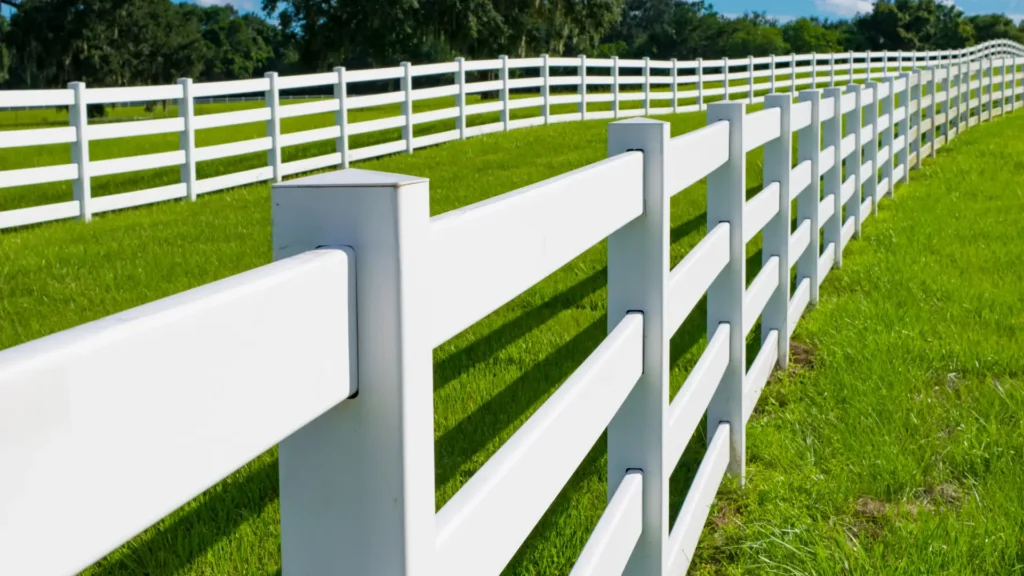
Choosing the right type of farm fencing is about far more than finding the lowest cost per metre. Different fencing styles serve different purposes depending on livestock type, land use, terrain, and long-term management goals. In Palmerston North and the wider Manawatū region, farmers often balance durability, animal control, maintenance, and upfront cost when deciding on fencing. Understanding how each fencing type differs in function and price helps ensure your investment supports your farming operation for years to come.
Post And Wire Fencing
Post and wire fencing remains the most widely used fencing option on farms throughout Palmerston North, particularly for sheep and beef properties with large boundary lines or internal paddock divisions. It is valued for its practicality, strength, and ability to cover long distances at a relatively manageable cost per metre.
This type of fencing typically consists of timber or steel posts combined with multiple strands of high-tensile wire. The final cost per metre depends on post spacing, wire type, terrain, and whether the fence is being installed on flat or uneven land.
Key Advantages:
- Cost efficiency: One of the most affordable options for large-scale fencing projects.
- Versatility: Suitable for sheep, cattle, and mixed farming systems.
- Durability: When properly installed, it offers long-term performance with minimal maintenance.
Considerations:
- Limited animal deterrence: May not be sufficient for smaller or more agile livestock without electric outriggers.
- Labour requirements: Installation costs can rise on sloping or difficult terrain.
Post and wire fencing is often chosen by farmers who need reliable fencing across large areas without unnecessary complexity.
Electric Farm Fencing
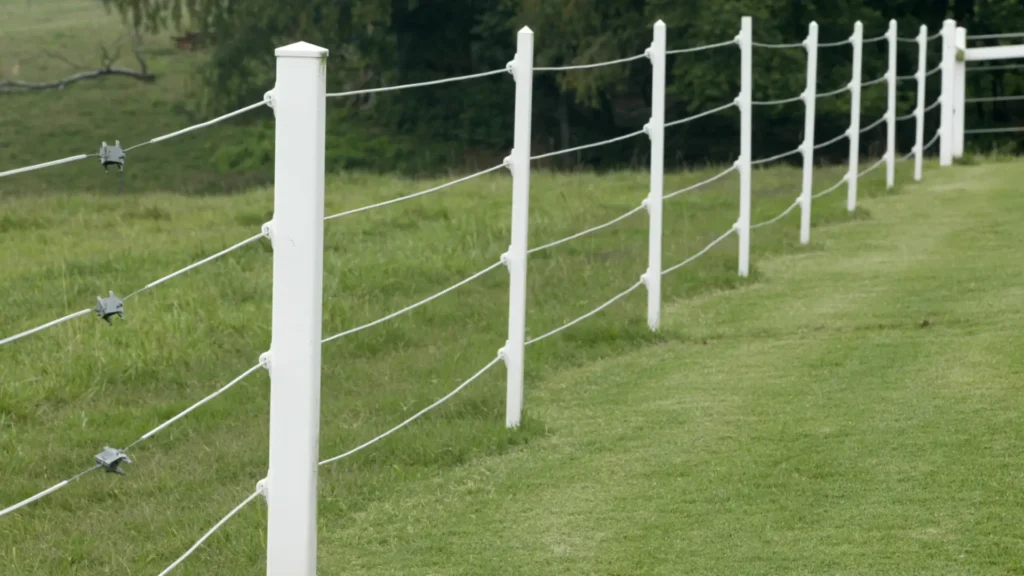
Electric farm fencing is commonly used in Palmerston North for livestock management, rotational grazing, and temporary or semi-permanent paddock setups. It is especially popular with sheep and dairy farmers who want flexibility and behavioural control rather than purely physical barriers.
While the material cost per metre for electric fencing is usually lower than traditional fencing, overall expenses can increase due to energisers, grounding systems, and regular maintenance requirements.
Key Advantages:
- Lower material costs: Uses fewer physical materials compared to conventional fencing.
- Livestock control: Highly effective for training animals to respect boundaries.
- Flexibility: Easy to adjust or relocate as grazing needs change.
Considerations:
- Setup complexity: Requires proper energiser installation and ongoing checks.
- Reliance on power: Effectiveness depends on consistent voltage and maintenance.
Electric fencing works particularly well for internal paddock fencing or in combination with post and wire fencing for added security.
Timber And Rail Fencing
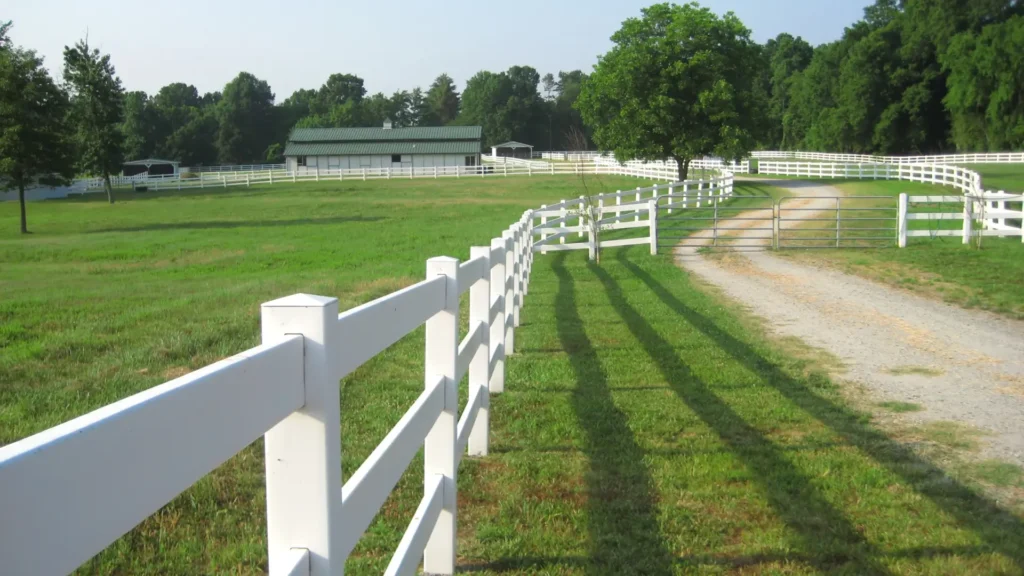
Timber and rail fencing is less common on working farms but widely used on lifestyle blocks and rural properties around Palmerston North where appearance matters as much as function. This fencing style is visually appealing and provides a strong physical barrier, making it ideal for property boundaries near homes or road frontages.
The cost per metre for timber and rail fencing is significantly higher due to material quality, labour intensity, and finishing requirements.
Key Advantages:
- Aesthetic appeal: Enhances the visual value of lifestyle and rural residential properties.
- Strength: Provides a solid, visible boundary for animals and people.
- Longevity: High-quality timber can last decades when maintained properly.
Considerations:
- Higher cost: One of the most expensive fencing options per metre.
- Maintenance: Requires periodic staining or treatment to preserve appearance.
This fencing type is best suited for areas where presentation and property value are priorities rather than large-scale stock management.
Deer And Specialty Fencing
Deer and specialty fencing is designed for livestock that require extra containment due to height, strength, or behaviour. In Palmerston North, this fencing is commonly used for deer farms, mixed livestock operations, or properties needing enhanced boundary control.
These fences are taller and constructed using stronger posts and additional wire or netting, which increases both material and installation costs.
Key Advantages:
- Enhanced containment: Prevents escape and reduces injury risks.
- Compliance ready: Meets stricter agricultural and animal welfare requirements.
- Durability: Built to withstand pressure from larger or more active animals.
Considerations:
- Higher cost per metre: Materials and labour significantly increase overall pricing.
- Specialist installation: Often requires experienced fencing contractors.
Deer and specialty fencing is an essential investment where animal safety, compliance, and long-term durability are non-negotiable.
Farm Fencing Costs For Different Property Types
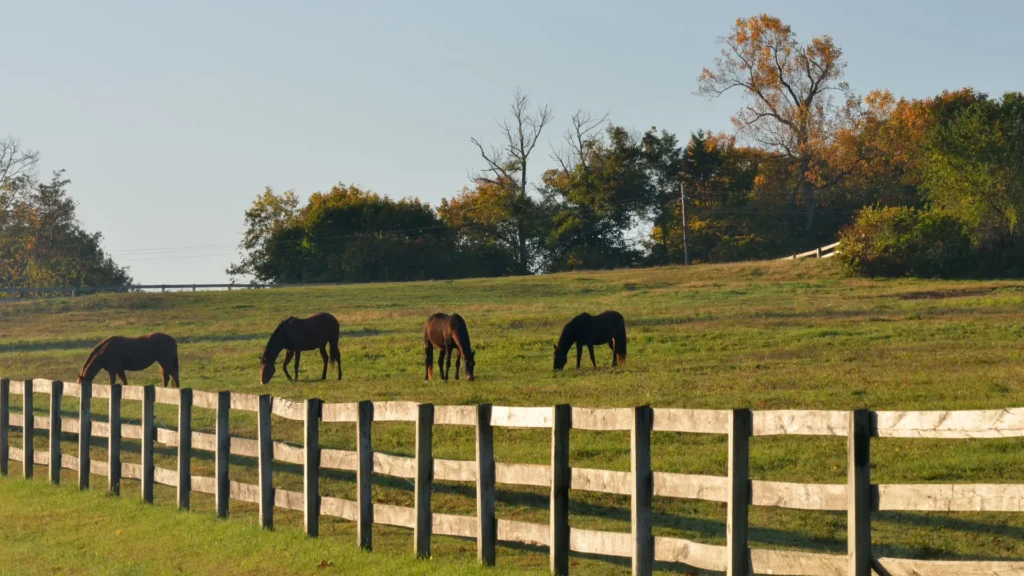
Farm fencing costs in Palmerston North can vary significantly depending on how the land is used and the type of property involved. While cost per metre is a helpful starting point, the real price is shaped by livestock requirements, land layout, durability needs, and how the fencing will function day to day. Understanding these differences helps property owners plan more accurately and avoid paying for fencing that is either overbuilt or not fit for purpose.
Sheep And Beef Farms
Sheep and beef farms in the Palmerston North and wider Manawatū region typically require fencing that balances durability with cost efficiency across large areas. These properties often cover extensive land, making per metre pricing especially important.
Key cost considerations include:
- Fence type: Post and wire fencing is commonly used due to its affordability and suitability for sheep and cattle.
- Stock pressure: Cattle place more strain on fences than sheep, which may require stronger posts or additional wires.
- Terrain: Rolling hills and uneven ground can increase labour costs and affect installation speed.
- Scale: Larger fencing runs usually reduce the average cost per metre but increase the overall project cost.
For sheep and beef farms, the focus is often on long-lasting materials that can handle livestock movement without significantly increasing upfront costs.
Dairy Farms
Dairy farms generally have higher fencing requirements compared to sheep and beef operations, which can increase the cost per metre. Fencing on dairy farms plays a critical role in stock control, paddock rotation, and protecting infrastructure.
Factors influencing dairy farm fencing costs include:
- Frequent stock movement: Fences must withstand daily herd pressure, especially around gateways and lanes.
- Electric fencing integration: Many dairy farms combine traditional fencing with electric systems, adding components such as energisers and offsets.
- Internal subdivision: Dairy farms often require more internal fencing to manage grazing efficiently.
- Compliance and safety: Stronger, well-installed fencing reduces the risk of stock escape and damage.
Because of these demands, dairy fencing may sit at the higher end of farm fencing cost per metre in Palmerston North, particularly for internal paddock fencing.
Lifestyle Blocks
Lifestyle blocks are common around Palmerston North and often have very different fencing needs compared to commercial farms. While these properties are usually smaller, fencing costs per metre can sometimes be higher due to design preferences and mixed use.
Common cost drivers for lifestyle blocks include:
- Aesthetic appeal: Timber fencing or post and rail options are often chosen for appearance rather than cost.
- Mixed livestock: Properties may house sheep, cattle, horses, or pets, requiring versatile fencing solutions.
- Shorter fence runs: Smaller projects can increase the per metre cost due to setup and labour minimums.
- Boundary visibility: Fencing is often more visible and may need to meet local expectations or neighbourhood standards.
Lifestyle block owners tend to prioritise appearance and versatility, which can affect both material choice and overall fencing budget.
Boundary Fencing Vs Internal Fencing
Whether fencing is installed along property boundaries or within a farm also has a noticeable impact on cost per metre. Each serves a different purpose and comes with its own considerations.
Boundary fencing costs are influenced by:
- Durability: Long-term strength is essential to clearly define property lines.
- Legal accuracy: Fences must follow surveyed boundaries, sometimes increasing labour time.
- Access challenges: Boundary lines may cross difficult terrain or hard-to-reach areas.
Internal fencing costs are shaped by:
- Purpose: Used mainly for stock control and grazing management.
- Material flexibility: Often lighter and cheaper materials can be used.
- Layout complexity: Multiple paddocks and corners can add to labour time.
In many cases, boundary fencing costs more per metre than internal fencing, but it also requires less frequent replacement and maintenance.
Hidden Costs To Consider When Budgeting For Farm Fencing
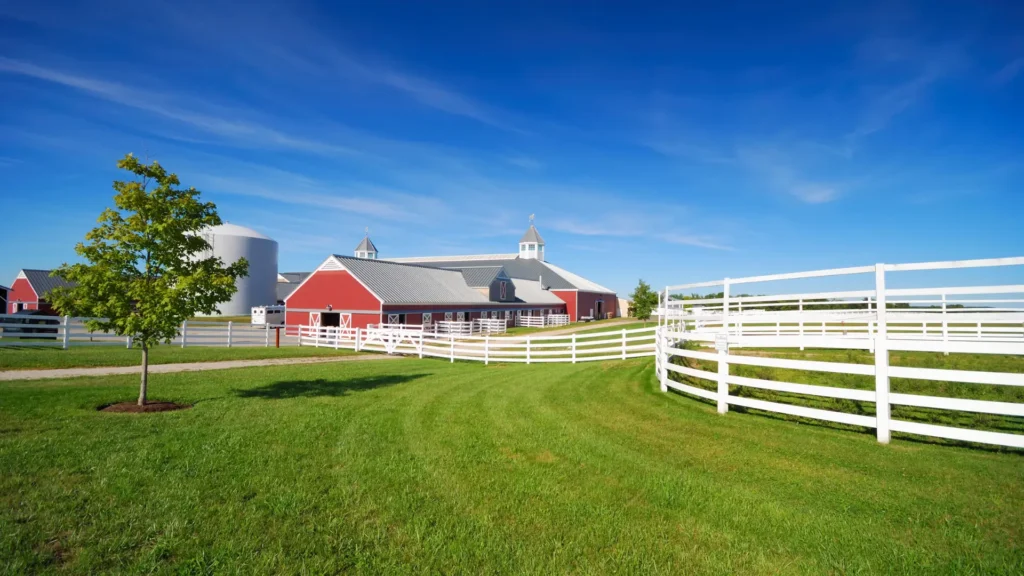
When budgeting for farm fencing, it’s easy to focus only on the advertised cost per metre and overlook additional expenses that can quickly add up. In reality, many fencing projects in Palmerston North involve site-specific factors that affect the final price. Being aware of these hidden costs upfront helps you plan realistically, avoid budget blowouts, and make confident decisions based on the true scope of work.
Gate Installation And Hardware
Gates are a critical part of any farm fencing system, yet they are often not included in base fencing prices. The number, size, and placement of gates can significantly influence overall costs, particularly on larger or subdivided properties.
Key cost factors include:
- Gate size and material: Larger or heavy-duty steel gates generally cost more than standard farm gates.
- Posts, hinges, and latches: Stronger hardware is required for frequent use or heavier livestock.
- Installation labour: Gates must be installed accurately to prevent sagging and ensure long-term reliability.
Failing to plan for gate costs early can lead to unexpected expenses once the fencing layout is finalised.
Clearing Vegetation Or Removing Old Fencing
Before new fencing can be installed, the fence line often needs to be cleared. This step is commonly overlooked during early budgeting but can add noticeable cost depending on site conditions.
Common preparation costs include:
- Clearing overgrown vegetation such as long grass, shrubs, or small trees along the fence line.
- Removing existing fence posts and wire, especially if materials are rusted or broken.
- Disposal of old fencing materials, which may involve transport and tipping fees.
Proper site preparation ensures the new fence is installed correctly and lasts longer, making it a necessary investment rather than an optional extra.
Repairs To Uneven Or Difficult Ground
Land conditions play a major role in fencing costs, particularly on properties with slopes, soft soil, or drainage challenges. Uneven ground can slow installation and require additional materials or labour.
Ground-related costs may include:
- Extra time to securely install posts on slopes or uneven terrain.
- Longer or reinforced posts to improve fence stability.
- Minor earthworks to level sections or address drainage issues.
Addressing these challenges during installation helps prevent future fence movement or damage.
Council Or Boundary Considerations
Boundary fencing can involve more than just installing posts and wire. Legal and regulatory factors may affect both cost and planning timelines, especially for boundary lines shared with neighbouring properties.
Possible considerations include:
- Confirming boundary lines, which may require surveying to avoid disputes.
- Council or zoning requirements that affect fence height, materials, or placement.
- Cost-sharing arrangements with neighbours for boundary fencing.
Accounting for these factors early helps prevent delays, disagreements, or costly rework.
Planning For The Full Cost From The Start
Hidden costs are a normal part of farm fencing projects and reflect the realities of working with rural land. By factoring in gates, site preparation, ground conditions, and boundary considerations from the outset, you can create a more accurate budget and avoid surprises later. Taking a comprehensive approach to planning ensures your fence is built to suit your land, your livestock, and your long-term needs.
DIY Vs Professional Farm Fencing In Palmerston North
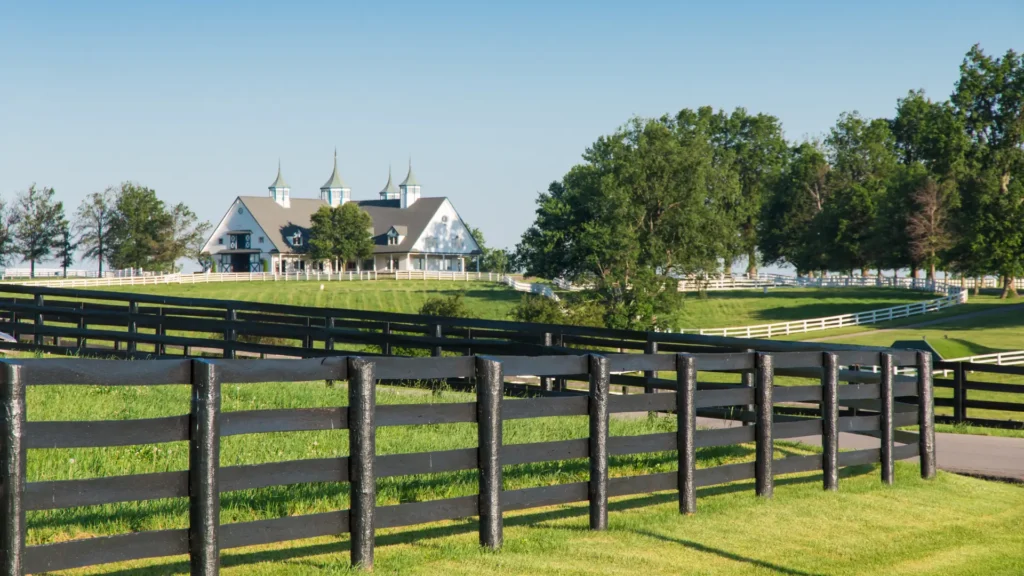
Choosing between DIY and professional farm fencing in Palmerston North is a decision many landowners face when planning new fencing or replacing old boundaries. The right option depends on more than just upfront cost. Time, skill level, durability, and compliance all play a role in determining whether doing it yourself or hiring a professional is the better long-term choice for your property.
Cost Savings Vs Time Investment
DIY farm fencing is often appealing because it can reduce labour expenses, but the time required is frequently underestimated, particularly on larger rural properties or uneven land.
- Lower initial costs: DIY fencing can save money by avoiding contractor labour charges.
- Significant time investment: Installing posts, wiring, and gates can take much longer without professional equipment or experience.
- Unexpected expenses: Errors in spacing, tensioning, or alignment can lead to costly fixes that reduce overall savings.
Professional fencing services may cost more upfront, but they typically complete projects faster and with fewer setbacks.
Skill Level Required
Farm fencing requires technical precision to ensure it performs well over time, especially in rural conditions common around Palmerston North.
- Technical accuracy: Proper post depth, wire tension, and gate alignment are essential for fence strength.
- Experience matters: Inexperienced installers may struggle with challenging soil types or sloped terrain.
- Professional knowledge: Contractors understand local land conditions and best practices for long-lasting farm fencing.
DIY fencing may be suitable for simple internal fences, but boundary fencing often benefits from professional expertise.
Long-Term Durability
Durability is one of the most important considerations when comparing DIY and professional farm fencing options.
- DIY durability risks: Improper installation can shorten fence lifespan and increase maintenance needs.
- Professional installation quality: Experienced contractors use proven methods that improve fence strength and longevity.
- Reduced maintenance: Well-installed fences typically require fewer repairs over time.
Investing in professional installation often results in fencing that performs better under livestock pressure and weather exposure.
Safety And Compliance Issues
Safety and regulatory considerations are critical but sometimes overlooked when choosing a fencing approach.
- Physical safety risks: Fence installation involves heavy materials and equipment that can cause injury if mishandled.
- Boundary accuracy: Professional installers help ensure fencing aligns correctly with property boundaries.
- Compliance awareness: Contractors are familiar with industry standards and local requirements that may apply.
Professional fencing can reduce liability risks and provide reassurance that the work meets expected standards.
Choosing The Right Approach For Your Property
There is no single best option for every landowner. DIY fencing may suit smaller or straightforward projects, while professional installation is often the better choice for larger, complex, or boundary fencing. Carefully weighing cost, time, skill, and long-term durability will help you make a confident decision that supports the needs of your Palmerston North property well into the future.
How To Get An Accurate Farm Fencing Quote
Getting an accurate farm fencing quote is one of the most important steps in planning a fencing project, especially in Palmerston North where land conditions, access, and fencing requirements can vary widely from one property to another. While online estimates can give a rough idea of costs, a proper quote ensures you understand exactly what you are paying for and helps you avoid unexpected expenses later. Taking the time to prepare the right information and evaluate quotes carefully will put you in a stronger position to make a confident, informed decision.
What Information Fencing Contractors Need
The accuracy of a farm fencing quote largely depends on the quality of information provided upfront. Contractors rely on clear details to assess materials, labour, and potential challenges before pricing the job.
- Property details:
This includes the property location, total fence length required, and whether the fencing is for boundaries, internal paddocks, or lifestyle block divisions. Mentioning the general terrain, such as flat land, rolling hills, or uneven ground, helps contractors estimate labour time more accurately. - Type of fencing required:
Different fencing types come with different material and installation costs. Clearly stating whether you need post and wire fencing, electric fencing, timber fencing, or specialty fencing such as deer fencing allows contractors to price the correct materials and construction method. - Livestock and usage:
Letting contractors know what animals the fence will contain, such as sheep, cattle, or deer, ensures the fence is built to the appropriate height and strength. This avoids underquoting and reduces the risk of future repairs or upgrades. - Site access and existing fencing:
Information about vehicle access, machinery access, and whether old fencing needs removal can significantly affect costs. Restricted access or demolition work often adds time and labour, which should be reflected in the quote.
Why On-Site Inspections Matter
An on-site inspection is often the difference between a rough estimate and a reliable farm fencing quote. While it may seem like an extra step, it benefits both the property owner and the contractor.
- Accurate assessment of terrain and soil:
Soil conditions in the Palmerston North and Manawatū region can vary, and factors such as soft ground, rocky areas, or drainage issues can affect post installation and stability. Seeing the land in person allows contractors to plan properly and price the job realistically. - Identification of hidden challenges:
On-site visits help identify issues that are not always obvious from maps or descriptions, such as steep gradients, water crossings, or irregular boundary lines. Addressing these early prevents unexpected cost increases once work begins. - Clear alignment on expectations:
Face-to-face discussions during inspections allow both parties to confirm fence lines, gate placement, and material preferences. This reduces misunderstandings and ensures the final quote matches your expectations.
How To Compare Farm Fencing Quotes Properly
When comparing farm fencing quotes, the lowest price should not be the only deciding factor. A well-structured comparison helps you understand value, not just cost.
- Scope of work included:
Check that each quote covers the same work, materials, and fence length. Differences in inclusions such as gates, strainers, or clearing can make prices look misleadingly higher or lower. - Materials and specifications:
Review the quality of posts, wire, and fixings listed in each quote. Higher-quality materials may cost more initially but often offer better durability and lower long-term maintenance costs. - Timeline and workmanship:
Consider the estimated start date, project duration, and any workmanship guarantees. A slightly higher quote from an experienced contractor with a clear timeline and warranty can offer greater peace of mind. - Transparency and clarity:
A good quote should be easy to understand, with costs clearly itemised. Transparent pricing is often a sign of professionalism and reliability.
Taking a careful, informed approach to getting farm fencing quotes helps you avoid surprises and ensures your investment delivers long-term value. By providing clear information, requesting on-site inspections, and comparing quotes based on quality and scope rather than price alone, you set yourself up for a smoother project and a fence that truly suits your land and farming needs.
Tips To Reduce Farm Fencing Costs Without Cutting Corners
Managing farm fencing costs effectively is about making smart, informed choices rather than opting for the cheapest option available. With proper planning and a clear understanding of your property’s needs, it is possible to reduce the cost per metre while still maintaining strength, safety, and long-term performance.
Choosing The Right Materials For Your Livestock Type
Selecting fencing materials that match the type of livestock on your property helps prevent unnecessary overspending while ensuring animals remain secure and well managed.
- Livestock suitability: Sheep, cattle, and deer all require different fencing strengths and wire spacing, so choosing materials designed specifically for your stock avoids paying for features you do not need.
- Material durability: Treated timber posts and high-tensile wire may cost more initially but often last longer, reducing repair and replacement costs over time.
- Purpose-specific fencing: Boundary fences typically require heavier materials than internal paddock fencing, allowing you to allocate higher-grade materials only where they are truly needed.
Planning Your Fencing Layout Efficiently
An efficient fencing layout can significantly lower material use and labour time, which directly affects overall farm fencing costs per metre.
- Straight fence lines: Long, straight runs reduce the number of posts, strainers, and braces required, lowering both material and installation costs.
- Fewer corners: Each corner adds complexity, extra materials, and labour, so simplifying fence layouts where possible helps control costs.
- Future-ready design: Planning fence placement with future land use or subdivision in mind can prevent expensive modifications later.
Bundling Fencing Projects Together
Combining multiple fencing projects into a single installation can lead to meaningful cost savings and improved efficiency.
- Lower mobilisation costs: Contractors can complete work more efficiently when multiple fence lines are installed during one visit.
- Bulk material purchasing: Ordering fencing materials in larger quantities may reduce per-unit costs and minimise delivery expenses.
- Consistent workmanship: Completing fencing at the same time using the same materials and contractor ensures uniform quality and reduces rework.
Balancing Short-Term Savings With Long-Term Value
Reducing upfront fencing costs should never compromise durability or safety, as poor-quality fencing often results in higher long-term expenses.
- Professional installation: Correct post depth, tensioning, and alignment help prevent early failure and ongoing repairs.
- Reduced maintenance needs: Choosing materials suited to Palmerston North soil and weather conditions lowers future maintenance requirements.
- Long-term cost efficiency: Investing in quality where it matters most usually results in lower overall fencing costs across the lifespan of the fence.
By focusing on thoughtful planning, appropriate materials, and efficient project execution, farm owners can reduce fencing costs without cutting corners. A well-designed fence not only protects livestock and property but also delivers better value and reliability over the long term.
If you’re planning farm fencing in Palmerston North and want accurate pricing tailored to your land, the best next step is getting advice from experienced local professionals. Visit our website to explore fencing options, learn what works best for Manawatū conditions, and request a no-obligation quote based on your property’s specific needs.
References
- Ultimate Guide To Fencing Costs Per Meter In NZ (Builder Connect)
https://builderconnect.co.nz/blog/ultimate-guide-to-fencing-costs-per-meter-in-nz/ (Builder Connect NZ) - Ultimate Guide To Fencing Costs Per Meter In New Zealand (Fencing Hawkes Bay)
https://fencinghawkesbay.co.nz/fencing-costs-per-meter-in-new-zealand/ (Fencing Hawkes Bay) - Fence Cost Per Metre In NZ: Compare Prices By Fence Type And Height (TopBuilders)
https://www.topbuilders.nz/post/fence-cost-per-metre-in-nz-compare-prices-by-fence-type-and-height (TopBuilders) - Fence Cost Calculator NZ: Estimate Your Project With Confidence (Fencing Palmerston North)
https://fencingpalmerstonnorth.co.nz/fence-cost-calculator-nz/ (Fencing Palmerston North) - Ultimate Guide To Fencing Costs Per Meter In New Zealand (Wellington Fence Company)
https://wellingtonfencecompany.co.nz/fencing-costs-per-meter-in-new-zealand/ (wellingtonfencecompany.co.nz)
FAQs: About Farm Fencing Cost Per Metre In Palmerston North
What is the average farm fencing cost per metre in Palmerston North?
Farm fencing cost per metre in Palmerston North typically ranges from $25 to $90, depending on fencing type, materials, terrain, and labour requirements.
Why does farm fencing cost vary so much per metre?
Costs vary due to factors such as fence type, soil conditions, land slope, access to the site, number of corners, and whether machinery can be used during installation.
What is the cheapest type of farm fencing per metre?
Post-and-wire fencing is generally the most affordable option for farms, especially for large boundary or internal paddock fencing.
Is electric fencing cheaper than traditional fencing?
Electric fencing often has lower material costs but may require additional components like energisers and maintenance, which can affect long-term costs.
Does terrain affect farm fencing costs in Palmerston North?
Yes, sloping land, uneven ground, rocky soil, or wet areas common in parts of the Manawatū region can increase labour time and installation costs.
How long does farm fencing usually last?
Depending on materials and maintenance, farm fencing can last anywhere from 15 to 40 years, with timber posts typically lasting longer when properly treated.
Is DIY farm fencing cheaper than hiring a professional?
DIY fencing may reduce labour costs, but professional installation often results in better durability, compliance, and long-term savings by avoiding mistakes.
Are there extra costs not included in fencing cost per metre?
Yes, additional costs can include gates, clearing old fencing, vegetation removal, earthworks, and repairs to difficult ground areas.
Does fencing cost change based on livestock type?
Yes, sheep, cattle, deer, and mixed farming all require different fencing strengths and heights, which affects materials and cost per metre.
How can I get an accurate farm fencing quote in Palmerston North?
The best way is to request an on-site assessment from a local fencing contractor who can evaluate your land, fencing needs, and layout before pricing.
Conclusion
Planning farm fencing the smart way starts with recognising that farm fencing costs per metre in Palmerston North can vary widely depending on your property layout, land conditions, and the type of fencing you choose, which is why it is important to focus on overall suitability rather than a single price figure. While lower-cost options may seem appealing at first, prioritising durability and quality materials often leads to better long-term value by reducing ongoing maintenance and replacement expenses. Taking the time to plan properly before committing, including assessing your land, livestock requirements, and future use of the property, allows you to make informed decisions that protect both your investment and peace of mind. By approaching farm fencing with careful consideration and realistic expectations, you can ensure your fencing solution remains reliable, effective, and well-suited to your needs for years to come.

About the Author:
Mike Veail is a recognized digital marketing expert with over 6 years of experience in helping tradespeople and small businesses thrive online. A former quantity surveyor, Mike combines deep industry knowledge with hands-on expertise in SEO and Google Ads. His marketing strategies are tailored to the specific needs of the trades sector, helping businesses increase visibility and generate more leads through proven, ethical methods.
Mike has successfully partnered with numerous companies, establishing a track record of delivering measurable results. His work has been featured across various platforms that showcase his expertise in lead generation and online marketing for the trades sector.
Learn more about Mike's experience and services at https://theleadguy.online or follow him on social media: