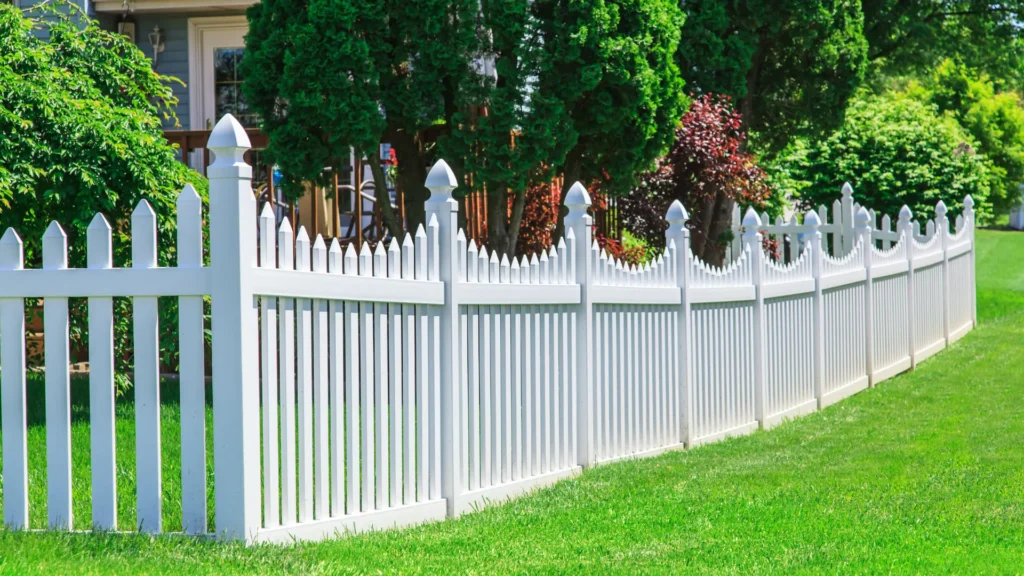
Welcome to your go-to guide on understanding how long fencing really lasts in the Palmerston North climate, where frequent rainfall, high humidity, and strong winds can significantly impact the lifespan of common fencing materials. If you’re a homeowner wondering why one fence seems to fail after a decade while another lasts twice as long, the answer often lies in how well the material matches local conditions and how it’s installed and maintained. In Palmerston North, fences are constantly exposed to moisture that can accelerate timber rot, corrosion in metal, and ground movement that weakens posts over time, making lifespan a much more practical concern than a theoretical one. In this article, we’ll break down realistic fence lifespan expectations based on material type, explain how the Manawatū climate affects durability, and share practical, experience-based tips to help you get the most value out of your investment—so you can make confident decisions that hold up long after installation.
In Palmerston North’s wet and humid climate, fencing typically lasts between 10 and 30 years, depending on the material and maintenance. Treated timber fences often last 15–20 years, metal or Colorsteel fencing can last 20–30 years, and composite or vinyl fencing may exceed 25 years due to better moisture resistance. Regular maintenance, proper installation, and good drainage are key factors in extending fence lifespan in this region.
Table of Contents
Understanding Palmerston North’s Climate And Its Impact On Fencing
Palmerston North’s climate plays a major role in how long fencing lasts, and it’s something homeowners often underestimate when planning or maintaining a fence. Located in the Manawatū region, the area experiences consistently damp conditions, regular wind exposure, and noticeable seasonal changes, all of which place ongoing stress on fencing materials. Understanding how Palmerston North weather interacts with different fence types helps set realistic lifespan expectations and allows homeowners to make smarter material and maintenance choices that suit local fencing conditions.
Key Climate Factors In Palmerston North
Palmerston North sits in a climate zone that is noticeably wetter and windier than many other parts of New Zealand. These environmental factors directly influence how fencing performs over time.
- Average Rainfall Levels:
Palmerston North experiences relatively high annual rainfall spread evenly throughout the year. This means fencing is rarely exposed to long dry periods, keeping timber, posts, and soil consistently damp. Prolonged moisture exposure increases the risk of rot in timber fences and accelerates wear in materials that are not properly protected or treated. - High Humidity:
Humidity levels in the Manawatū climate conditions remain elevated for much of the year. Even when it is not raining, moisture stays in the air and settles on fence surfaces. This constant humidity slows drying time, encourages mould and fungal growth, and makes it harder for timber fences to fully dry out between weather events. - Frequent Wind:
Palmerston North is well known for its wind. Regular gusts place repeated pressure on fence panels and posts, especially on properties that are more exposed or positioned along open boundaries. Over time, wind stress can loosen fixings, shift posts, and cause gradual leaning if fences are not properly installed or reinforced. - Seasonal Temperature Variation:
While Palmerston North does not experience extreme temperatures, seasonal changes still matter. Timber expands and contracts with temperature and moisture fluctuations, which can lead to warping, cracking, and joint movement. These small changes compound over the years, especially in older fences or those built with untreated materials.
Why Climate Shortens Fence Lifespan
The combined effect of moisture, wind, and soil movement means fences in Palmerston North often age faster than those in drier, calmer regions. Local fencing conditions create several common failure points.
- Moisture Penetration:
Constant exposure to rain and humidity allows moisture to seep into timber fibres, joints, and post bases. Once moisture penetrates these areas, it becomes difficult for the material to dry completely, leading to gradual weakening of the fence structure. - Rot And Fungal Growth:
Wet conditions create the ideal environment for rot and fungi, particularly at ground level where fence posts meet the soil. Timber fences are especially vulnerable here, and even treated timber can eventually break down if drainage is poor or maintenance is neglected. - Metal Corrosion:
Metal and Colorsteel fences handle moisture better than timber, but they are not immune. In Palmerston North weather, scratches, damaged coatings, or exposed fixings can allow rust to form. Over time, corrosion weakens panels and fasteners, reducing the fence’s overall lifespan. - Ground Movement Affecting Posts:
Consistently wet soil expands and contracts, particularly during heavy rain followed by drier periods. This movement can loosen fence posts, cause shifting, and lead to uneven or leaning fences. Wind compounds this problem by placing additional lateral force on already stressed posts.
In summary, the Manawatū climate conditions place unique demands on fencing that go beyond simple wear and tear. By understanding how Palmerston North weather affects moisture levels, structural stability, and material performance, homeowners can make better decisions that extend fence lifespan and reduce long-term repair costs. Taking local conditions into account from the start is one of the most effective ways to ensure a fence remains strong, functional, and visually appealing for years to come.
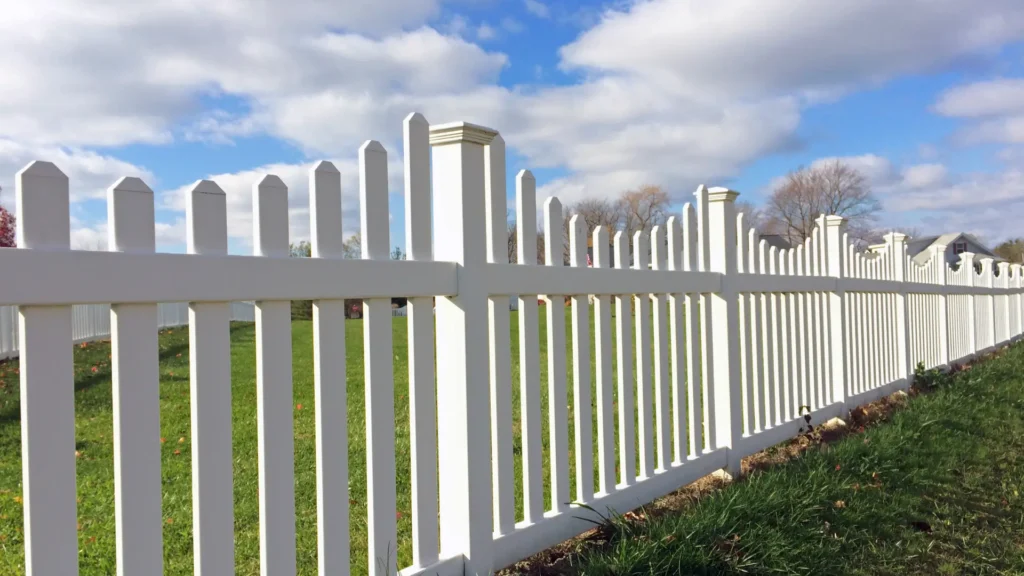
Average Fence Lifespan By Material In Palmerston North
Choosing the right fencing material in Palmerston North is less about aesthetics and more about how well it can handle the local climate. Frequent rainfall, high humidity, and strong winds all play a role in how long a fence will realistically last. Below is a detailed breakdown of common fencing materials, their expected lifespan in Palmerston North conditions, and what homeowners should consider before making a decision.
Timber Fencing: How Long Does It Last?
Timber fencing remains one of the most popular choices for Palmerston North homes due to its natural appearance and affordability, but its lifespan varies widely depending on timber type and maintenance. Moisture exposure is the biggest challenge, as constant damp conditions can accelerate rot and weaken structural integrity over time.
Typical Lifespan by Timber Type:
- Untreated timber: 5 to 10 years
- Treated pine: 15 to 20 years
- Hardwood: 20 to 30 years
Moisture affects timber by soaking into the fibres, especially where boards and posts meet the ground. Over time, this leads to swelling, cracking, and fungal decay if the timber is not properly protected.
Common Failure Points:
- Fence posts: Often fail first due to constant contact with wet soil
- Ground-level rot: Occurs where water pools at the base of the fence
In Palmerston North, a timber fence that is regularly cleaned, sealed, and repaired can last significantly longer than one left untreated.
Realistic Lifespan Range:
- With maintenance: 15 to 25 years depending on timber type
- Without maintenance: 7 to 12 years
Pros:
- Natural look that suits residential properties
- Affordable upfront cost
- Easy to repair or modify
Cons:
- Vulnerable to moisture and rot
- Requires ongoing maintenance
- Shorter lifespan compared to metal or composite options
Best Use Cases:
- Residential boundaries
- Privacy fencing
- Properties where appearance is a priority
Colorsteel And Metal Fencing Lifespan
Colorsteel and other metal fencing options are well-suited to Palmerston North’s climate when properly installed and maintained. These materials are designed to resist moisture and wind, making them a durable alternative to timber.
Corrosion resistance is achieved through protective coatings and galvanization, which prevent moisture from reaching the underlying metal. High-quality Colorsteel products are specifically engineered to perform in coastal and high-moisture environments.
Strong winds are another consideration, as metal panels can flex under pressure. Secure fixing and correct post spacing are essential to prevent long-term stress damage.
Expected Local Lifespan:
- 20 to 30 years with proper installation
- Longer when coatings remain intact
Rust usually becomes an issue only when protective layers are damaged or cut edges are left untreated. Regular inspections help catch early signs of wear before corrosion spreads.
PVC / Vinyl Fencing Lifespan
PVC and vinyl fencing are increasingly popular for homeowners who want low maintenance solutions that perform well in wet conditions. These materials do not absorb moisture, making them resistant to rot and corrosion.
UV exposure is the main factor affecting vinyl fencing, as prolonged sunlight can cause fading or brittleness over time. Modern products often include UV inhibitors to reduce this risk.
Vinyl fencing also performs well in windy areas due to its flexibility, which allows it to absorb gusts rather than crack or snap.
Typical Lifespan Expectations:
- 25 to 30 years in Palmerston North conditions
Cost vs Longevity Trade-Off:
- Higher upfront cost than timber
- Minimal maintenance costs over time
- Long lifespan offsets initial investment
Composite Fencing Lifespan
Composite fencing combines wood fibres and plastic, offering the appearance of timber with improved resistance to moisture. This makes it particularly suitable for Palmerston North’s damp climate.
Composite materials are highly stable in wet conditions and do not warp or rot like natural timber. They also handle temperature changes well, reducing the risk of cracking or expansion.
Maintenance requirements are minimal, usually limited to occasional cleaning to remove dirt or mildew. No staining or sealing is required, which appeals to homeowners seeking long-term value.
Expected Lifespan in Palmerston North:
- 25 to 35 years depending on product quality
Composite fencing sits at the higher end of the price range, but its durability and low upkeep make it a strong long-term option.
Choosing the right fencing material in Palmerston North ultimately comes down to balancing budget, appearance, and how much maintenance you are willing to take on. By understanding how each material performs in local conditions, homeowners can make informed decisions that protect their property and investment for years to come.
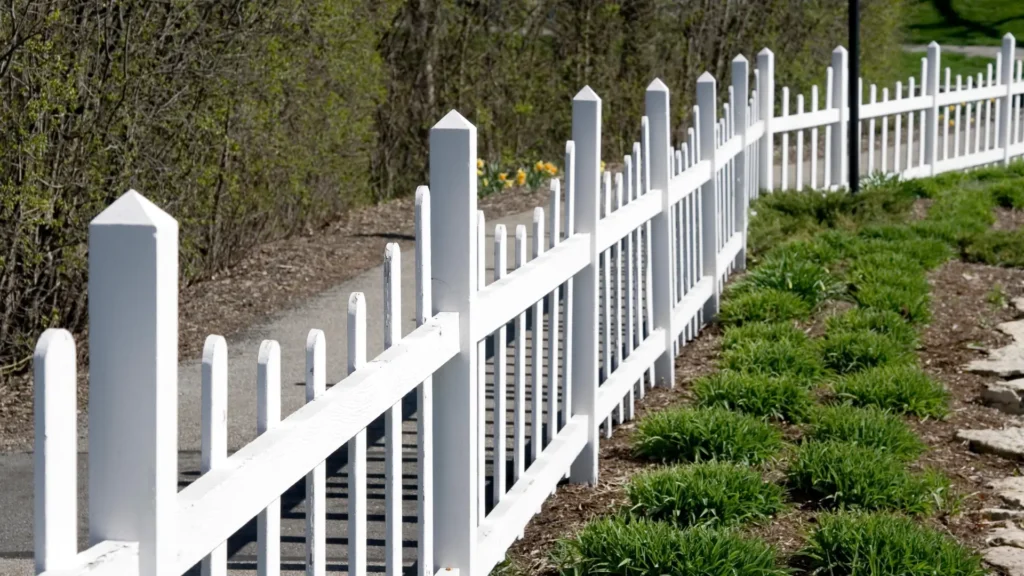
Factors That Shorten Or Extend Fence Lifespan Locally
The lifespan of a fence in Palmerston North is not determined by material choice alone. Local conditions, installation standards, placement on the property, and ongoing care all play a major role in whether a fence fails early or lasts decades. Understanding these factors helps homeowners make smarter decisions that protect their investment and avoid unnecessary replacement costs.
Installation Quality
A well-installed fence can outlast a poorly installed one by many years, even when using the same materials. Installation quality is often the most overlooked factor affecting fence durability in Palmerston North’s wet and windy environment.
- Post Depth:
Fence posts must be set deep enough to remain stable through heavy rain, strong winds, and gradual soil movement. Shallow posts are more likely to lean, loosen, or shift over time, especially in softer or waterlogged ground. Proper depth improves resistance to wind pressure and prevents gradual tilting that weakens the entire fence line. - Drainage:
Poor drainage around posts accelerates rot in timber and corrosion in metal. When water pools at the base of a post, moisture remains trapped, breaking down materials much faster. Good installation includes allowing water to drain away from posts rather than collecting around them. - Concrete Vs Soil Setting:
Concrete-set posts generally last longer than soil-set posts in Palmerston North conditions. Concrete provides added stability and reduces direct contact between timber and constantly wet soil. However, incorrect concrete installation can trap moisture if drainage is not considered, so professional technique still matters.
Fence Position And Exposure
Where a fence is located on a property has a direct impact on how quickly it wears down. Two fences made of the same material can age very differently depending on their exposure to wind, sun, and moisture.
- Wind Corridors:
Fences positioned in open areas or natural wind corridors experience more stress from frequent gusts. Over time, this constant pressure loosens fixings, strains posts, and can cause panels to warp or detach. Proper bracing and material selection are especially important in high-wind areas. - Shaded Vs Sunny Areas:
Shaded fences tend to stay damp longer after rain, increasing the risk of rot, mould, and algae growth. Sunny areas dry out faster, which can extend lifespan but may also cause fading or cracking if materials are not UV-resistant. Balanced exposure and suitable finishes help manage both risks. - Soil Drainage Quality:
Soil that drains poorly holds moisture around fence posts for extended periods. Clay-heavy or compacted soil is particularly problematic in Palmerston North. Fences installed in these areas benefit from drainage improvements or protective barriers to reduce prolonged moisture exposure.
Maintenance Habits
Even the best fence will deteriorate quickly without regular maintenance. Consistent care can significantly extend lifespan, while neglect often leads to premature failure.
- Cleaning Frequency:
Removing dirt, moss, and organic buildup prevents moisture retention and surface breakdown. Regular cleaning helps materials dry properly and allows early detection of small issues before they become serious problems. - Sealing, Staining, Or Repainting:
Protective coatings act as a barrier against moisture, UV damage, and general wear. Timber fences benefit from sealing or staining every few years, while metal fences last longer when paint and protective coatings are kept intact. - Early Repairs Vs Neglect:
Minor issues such as loose fasteners, small cracks, or early rust spots are easy and inexpensive to fix when caught early. Ignoring these problems allows damage to spread, often turning a simple repair into a full fence replacement.
In Palmerston North, fence longevity is shaped by a combination of smart installation, thoughtful placement, and consistent upkeep. Paying attention to these local factors can add years to a fence’s life and ensure it continues to perform well despite the region’s challenging climate.
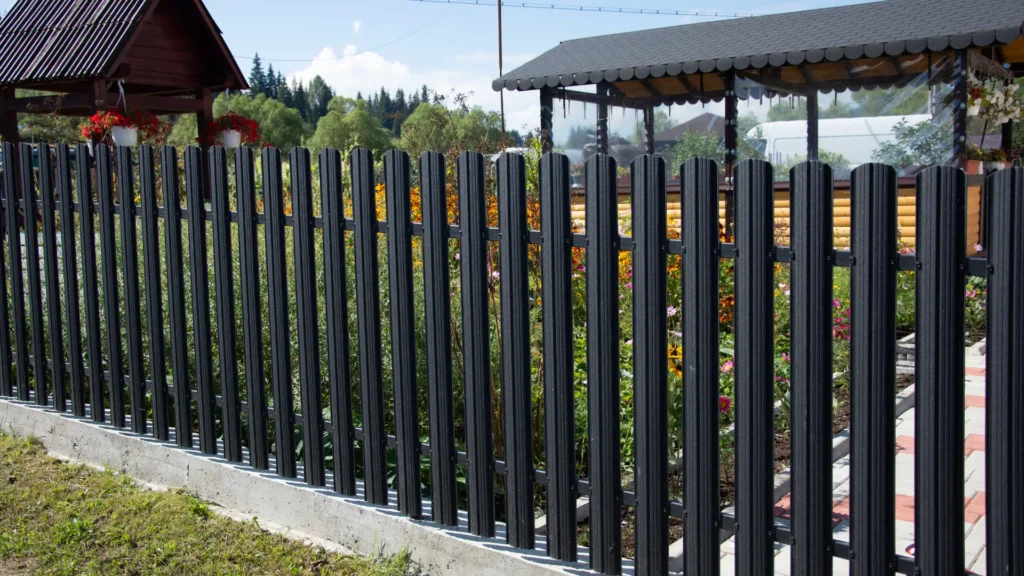
How To Make Your Fence Last Longer In Palmerston North
Palmerston North’s wet, windy, and often humid conditions can shorten the life of a fence if it is not designed and maintained with the local climate in mind. The good news is that many fence failures are preventable. Small, practical decisions made during installation and routine upkeep can add years, sometimes even decades, to a fence’s lifespan. This section focuses on what most homeowners overlook and the simple actions that make a long-term difference.
Choose Treated Or Climate-Appropriate Materials
One of the biggest factors in fence longevity is material choice. Not all fencing products are suitable for Palmerston North’s moisture-heavy environment, even if they perform well elsewhere.
- Key consideration: Always select materials designed to withstand frequent rain and high humidity.
- What this means in practice:
- Treated timber is far more resistant to rot and fungal growth than untreated wood
- Galvanised or Colorsteel fencing holds up better against corrosion
- Composite or vinyl fencing resists moisture absorption almost entirely
Choosing the right material from the start is one of the most effective ways to extend fence life and reduce long-term maintenance costs.
Elevate Timber Off The Ground
Ground contact is where most timber fences fail first. Constant exposure to wet soil allows moisture to wick up into the wood, accelerating rot at the base of posts and boards.
What most homeowners overlook: Timber does not need to be fully buried to be secure.
Best practice:
- Use concrete footings that lift timber posts slightly above soil level
- Keep horizontal boards clear of direct ground contact
- Allow airflow around the base of the fence
Even a small gap between timber and soil can significantly slow down decay and structural weakening.
Apply Protective Coatings
Protective finishes act as a barrier between fencing materials and the elements. In Palmerston North, this protection is especially important due to regular rainfall and damp conditions.
Why this matters: Moisture penetration is one of the main causes of early fence failure.
Effective options include:
- Timber stains or sealants that repel water while allowing the wood to breathe
- Paint systems with mould and mildew resistance
- Protective coatings for metal fencing to prevent surface corrosion
Reapplying coatings every few years can add substantial lifespan to both timber and metal fences.
Improve Drainage Around Fence Posts
Poor drainage is a silent problem that often goes unnoticed until a fence starts leaning or rotting at the base. Water pooling around posts weakens both timber and concrete footings over time.
Small things that add years to your fence:
- Sloping soil away from fence posts to prevent water buildup
- Using gravel at the base of post holes to aid drainage
- Avoiding garden beds or irrigation systems that keep fence bases constantly wet
Good drainage reduces prolonged moisture exposure and helps maintain structural stability.
Schedule Inspections After Storms
Palmerston North is no stranger to strong winds and heavy rain, both of which place stress on fencing. Damage is not always obvious immediately, but small issues can worsen if left unchecked.
- Recommended habit: Inspect your fence after major weather events.
- Look for:
- Loose or leaning posts
- Movement in panels or rails
- Early signs of rot, rust, or cracking
Addressing minor damage early is far cheaper and more effective than waiting for widespread failure.
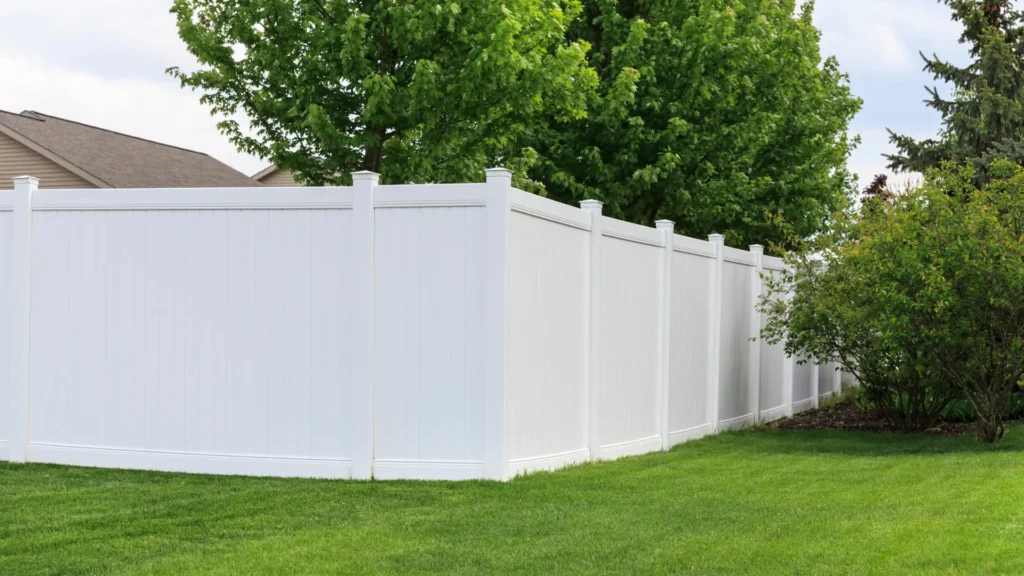
Signs Your Fence Is Nearing The End Of Its Lifespan
Every fence reaches a point where small issues turn into ongoing problems, especially in a wet and windy climate like Palmerston North. Knowing the warning signs early can help you decide whether a simple repair will do or if replacement is the smarter long-term option. Below are the most common indicators that a fence is approaching the end of its usable life, along with practical guidance to help homeowners make informed decisions.
Leaning Or Unstable Fence Posts
A fence that no longer stands straight is often signaling deeper structural problems. In Palmerston North, consistent rainfall can soften the soil around posts, causing them to shift or sink over time. Wind exposure can worsen this by placing repeated pressure on already weakened posts.
What this usually means:
- Minor lean: May be caused by loose soil or shallow installation and could be corrected with re-setting or reinforcing the post.
- Severe or widespread leaning: Often points to rot, corrosion, or failed foundations and usually indicates replacement is more cost-effective than repeated fixes.
Rot At The Base Of Timber Fences
Rot typically begins where timber meets the ground, making it one of the most common failure points for wooden fencing in humid climates. Even treated timber can eventually break down if moisture remains trapped around the base.
What this usually means:
- Surface-level rot: Can sometimes be managed with repairs or post sleeves if caught early.
- Soft, crumbling timber: Indicates structural failure and is a strong sign the fence is no longer safe or reliable.
Rust Or Bubbling Paint On Metal Fencing
Metal fences are durable, but they are not immune to moisture-related damage. Bubbling paint or visible rust patches often indicate that protective coatings have been compromised, allowing corrosion to spread underneath.
What this usually means:
- Small rust spots: Can often be sanded, treated, and repainted to extend lifespan.
- Widespread rust or flaking metal: Suggests the fence’s structural integrity is weakening, making replacement the safer long-term solution.
Warping Or Cracking Fence Panels
Warped or cracked panels are common signs of prolonged exposure to moisture, sun, and temperature changes. Timber panels may swell and shrink, while composite materials can crack under repeated stress.
What this usually means:
- Isolated damage: Individual panels can often be replaced without rebuilding the entire fence.
- Consistent warping or cracking across multiple panels: Indicates material fatigue and suggests the fence is nearing the end of its lifespan.
Loose Or Failing Fasteners
Nails, screws, and brackets play a critical role in fence stability. Over time, wind movement and moisture can loosen fasteners, causing panels to rattle, detach, or fall away entirely.
What this usually means:
- Occasional loose fixings: Usually an easy maintenance fix.
- Repeated loosening across the fence: Often points to weakened materials or movement in posts, making long-term repairs less effective.
Repair Vs Replace: How To Decide
When evaluating whether to repair or replace a fence, the key factor is the extent of the damage rather than the age alone. Repairs make sense when issues are localized and the main structure remains solid. Replacement is usually the better choice when problems appear across multiple sections, posts are failing, or maintenance costs continue to add up without improving stability.
A simple rule to follow:
- Repair: When damage is limited, structural posts are sound, and fixes will extend lifespan by several years.
- Replace: When rot, rust, or instability is widespread and safety or appearance is compromised.
Recognizing these signs early can save time, money, and frustration, especially in Palmerston North’s demanding climate. Whether you choose to repair or replace, understanding what your fence is telling you allows you to make a decision that protects both your property and your long-term investment.
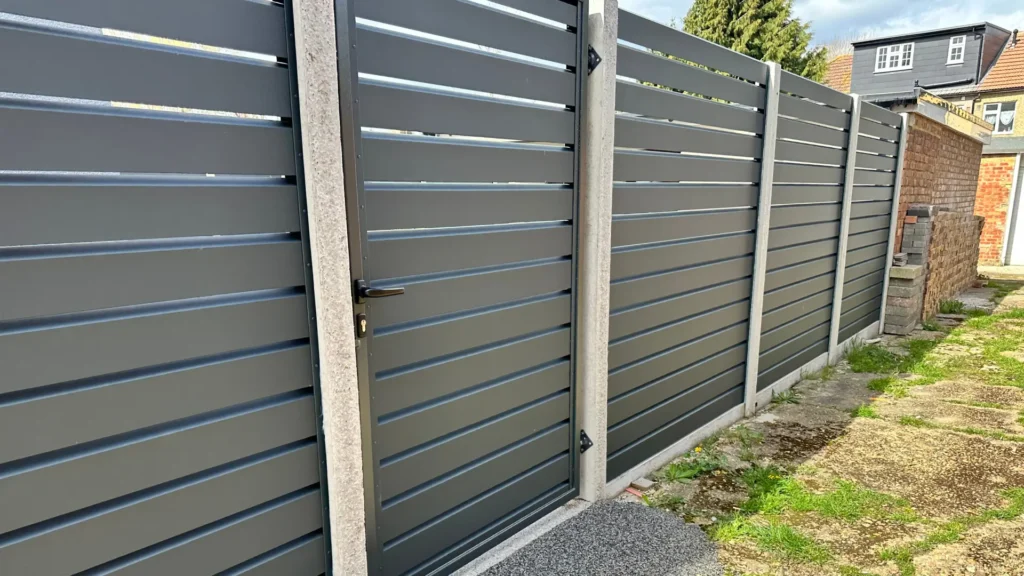
Is It Worth Repairing Or Replacing A Fence?
Deciding whether to repair or replace a fence is a common dilemma for homeowners in Palmerston North, especially given the region’s wet and windy climate. While repairs can seem like the cheaper option upfront, they are not always the most cost-effective or practical long-term solution. Understanding the financial, safety, and property value implications can help you make a smarter decision that suits both your budget and your home.
Cost Comparison Over Time
At first glance, repairing a fence often appears more affordable than replacing it entirely. However, repeated repairs can quietly add up, especially if the fence is already nearing the end of its natural lifespan.
Short-term costs:
- Minor repairs such as replacing a few boards or tightening fixings are relatively inexpensive.
- These fixes work best when the overall structure is still solid.
Long-term costs:
- Ongoing repairs to rotting posts, leaning panels, or rusted sections can become frequent and costly.
- Over time, the total spend on repairs may exceed the cost of installing a new fence.
In Palmerston North’s climate, moisture-related damage tends to worsen quickly, meaning small issues can reappear within a few seasons if the underlying problem is not addressed.
Safety And Property Value Considerations
A fence is not just a boundary; it also plays a role in safety, privacy, and curb appeal. An aging or unstable fence can create risks that go beyond appearance.
Safety concerns:
- Loose or leaning fences can collapse in strong winds, posing a risk to people, pets, and vehicles.
- Rotting timber and rusted metal can cause injuries, especially around children and pets.
Property value impact:
- A well-maintained or new fence enhances street appeal and gives the impression of a cared-for property.
- A visibly deteriorating fence can negatively affect buyer perception and reduce overall property value.
For homeowners considering selling in the future, replacing an old fence can be an investment that improves both visual appeal and buyer confidence.
When Replacement Is More Economical
There comes a point where replacement is the more practical and economical choice, particularly in Palmerston North’s demanding weather conditions.
Replacement is usually the better option when:
- Multiple sections of the fence are damaged or failing at the same time.
- Fence posts are rotting at ground level or shifting due to poor drainage.
- The fence requires frequent repairs every year.
- The material is outdated or poorly suited to a wet, humid climate.
A new fence built with climate-appropriate materials and proper installation can offer decades of reliability, reducing ongoing maintenance costs and stress.
Choosing the right fence for Palmerston North isn’t just about looks—it’s about durability, value, and peace of mind. If you want a fence that’s built to handle local weather conditions and last for years to come, now is the perfect time to explore your options. Visit our website today to get expert advice, see proven fencing solutions designed for the Manawatū climate, and take the first step toward a fence that won’t let you down when the weather turns.
References
- How Long Does a Typical Fence Last in Auckland
https://qualityfencingauckland.co.nz/how-long-does-a-typical-fence-last-in-auckland/ (Quality Fencing Auckland) - How Long Do Composite Fences Last? A Comprehensive Guide To Durability
https://a1fenceandgateauckland.co.nz/how-long-do-composite-fences-last/ (Fence And Gate Auckland) - Top 5 Durable Fencing Materials for New Zealand Conditions
https://homemaintenance.nz/top-5-durable-fencing-materials-for-new-zealand-conditions/ (homemaintenance.nz) - Ultimate Guide To Best Types Of Fencing NZ
https://fencingpalmerstonnorth.co.nz/best-types-of-fencing-nz/ (fencingpalmerstonnorth.co.nz) - How Well Does PVC Fencing Hold Up in New Zealand’s Climate
https://www.fspnewzealand.co.nz/how-well-does-pvc-fencing-hold-up-in-new-zealand-climate/ (fspnewzealand.co.nz)
FAQs: About How Long Does Fencing Last In Palmerston North Climate
How long does fencing last in the Palmerston North climate?
Fencing in Palmerston North typically lasts between 10 and 30 years, depending on the material used, installation quality, and ongoing maintenance. Wet and humid conditions can shorten lifespan if not properly managed.
Does Palmerston North’s rainfall affect fence lifespan?
Yes, frequent rainfall and high humidity increase moisture exposure, which can cause timber rot, metal corrosion, and ground movement around fence posts, reducing overall durability.
What fencing material lasts the longest in Palmerston North?
Metal, composite, and vinyl fencing generally last the longest in Palmerston North due to their resistance to moisture and rot, often exceeding 25 years with minimal maintenance.
How long does a timber fence last in Palmerston North?
A treated timber fence typically lasts 15 to 20 years in Palmerston North, while untreated timber may fail much sooner due to moisture-related rot and fungal growth.
Is metal fencing better than timber in a wet climate?
Metal fencing can perform better in wet climates when properly coated and maintained, as it resists rot. However, poor drainage or damaged coatings can still lead to corrosion over time.
Can fence lifespan be extended with maintenance?
Yes, regular maintenance such as sealing timber, repainting metal, clearing drainage, and fixing small issues early can add several years to a fence’s lifespan.
How often should fencing be maintained in Palmerston North?
Most fences should be inspected at least once a year and after major storms, with maintenance such as cleaning or resealing done every 2–3 years depending on the material.
What are signs that a fence needs replacing?
Common signs include leaning posts, rot at ground level, rust on metal panels, warping boards, and repeated repairs that no longer hold.
Does wind affect how long fencing lasts in Palmerston North?
Yes, strong winds can loosen posts, stress fixings, and cause movement that weakens fencing over time, especially if installation depth or bracing is insufficient.
Is it better to repair or replace an old fence?
If damage is localized and the structure is sound, repairs can extend lifespan. However, widespread rot, rust, or instability often makes replacement the more cost-effective option long term.
Conclusion
Choosing the right fence for a Palmerston North home comes down to making informed decisions that reflect local conditions, long-term durability, and realistic maintenance expectations rather than focusing only on upfront cost. Climate plays a major role, as Palmerston North’s high rainfall, humidity, and frequent wind place constant pressure on fencing materials and can shorten their lifespan if those conditions are not properly considered. Material choice is equally important, since selecting options that are proven to handle moisture, ground movement, and wind exposure can significantly reduce ongoing repairs and extend the overall life of the fence. Maintenance ultimately makes the biggest difference, as even high-quality fencing will deteriorate quickly without regular inspections, timely repairs, and basic upkeep, while consistent care can add years of reliable performance. By planning with lifespan in mind instead of just installation price and taking the time to speak with a local fencing professional, homeowners can ensure their fence is built to suit Palmerston North’s environment and provide lasting value and peace of mind.

About the Author:
Mike Veail is a recognized digital marketing expert with over 6 years of experience in helping tradespeople and small businesses thrive online. A former quantity surveyor, Mike combines deep industry knowledge with hands-on expertise in SEO and Google Ads. His marketing strategies are tailored to the specific needs of the trades sector, helping businesses increase visibility and generate more leads through proven, ethical methods.
Mike has successfully partnered with numerous companies, establishing a track record of delivering measurable results. His work has been featured across various platforms that showcase his expertise in lead generation and online marketing for the trades sector.
Learn more about Mike's experience and services at https://theleadguy.online or follow him on social media: