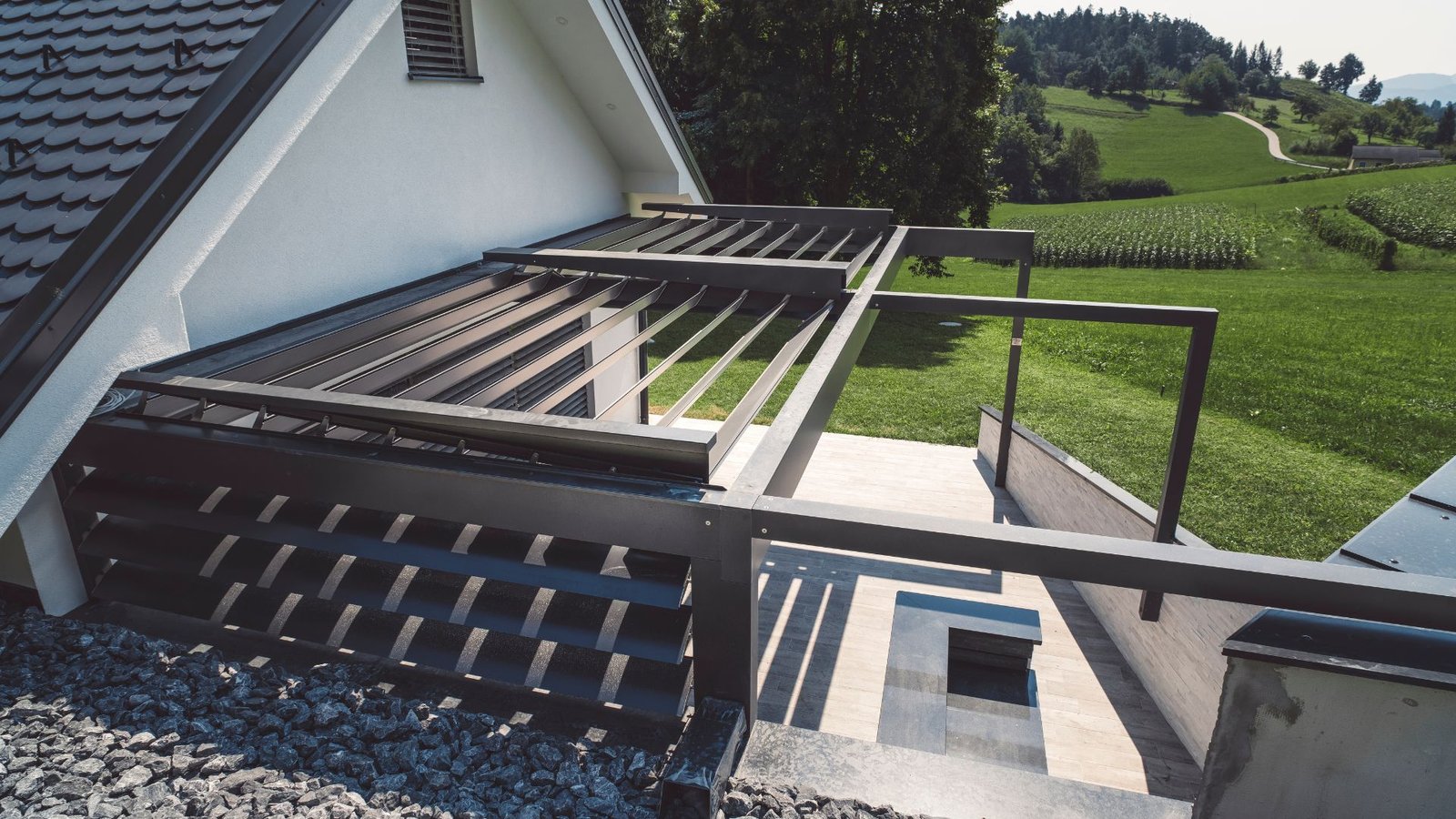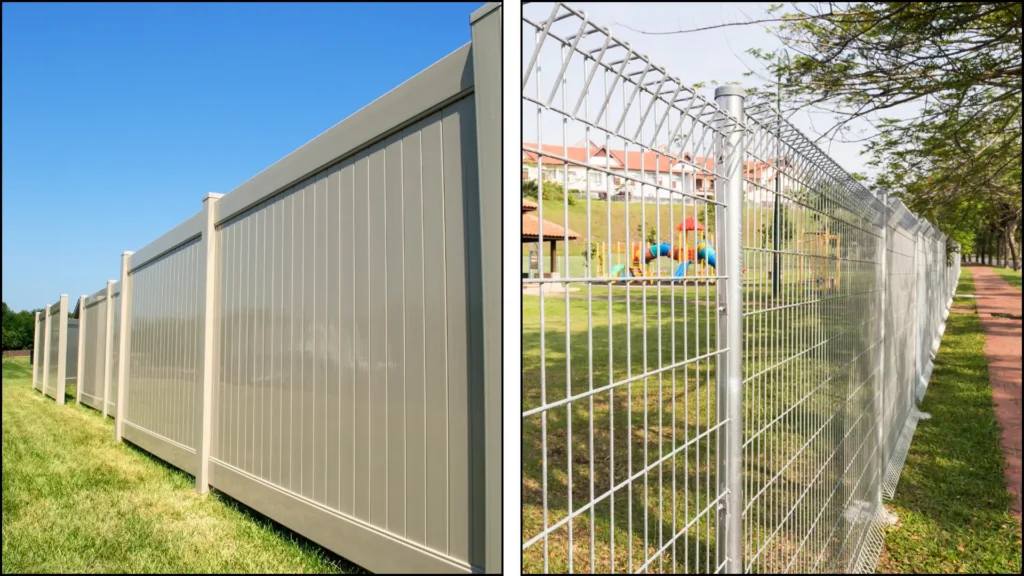
Welcome to a practical, no-nonsense guide on residential vs commercial fencing in Palmerston North, where choosing the right fence is about far more than just looks. Whether you’re a homeowner wanting privacy and street appeal, or a business owner focused on security, compliance, and durability, the type of fencing you choose plays a major role in protecting your property and adding long-term value. In Palmerston North, factors like local council guidelines, wind exposure, property zoning, and intended use all influence whether a residential or commercial fencing solution makes the most sense. This guide breaks down the real differences between the two, explains why those differences matter, and helps you make a confident, informed decision based on how your property is actually used—so you avoid costly mistakes and invest in fencing that truly works for your needs.
Residential vs commercial fencing in Palmerston North differs mainly in purpose, design, and security level. Residential fencing focuses on privacy, safety, and appearance, using materials like timber, aluminium, or Colorsteel. Commercial fencing prioritises security, durability, and compliance, often using chain link, security mesh, or palisade fencing. Choosing the right option depends on how the property is used, local regulations, and long-term maintenance needs.
Table of Contents
At A Glance: Residential vs Commercial Fencing
This quick overview highlights the key differences between residential vs commercial fencing Palmerston North properties. It is designed for readers who want a fast, clear comparison before diving deeper into details.
Residential vs Commercial Fencing Comparison Table
| Factor | Residential Fencing | Commercial Fencing |
| Purpose | Privacy, safety, appearance | Security, access control, protection |
| Design Priorities | Visual appeal and neighbourhood fit | Strength, function, deterrence |
| Materials | Timber, aluminium, Colorsteel | Chain link, security mesh, steel |
| Height & Strength | Lower height, lighter build | Taller, reinforced construction |
| Security Level | Basic to moderate | High to maximum |
| Compliance & Regulations | Residential zoning rules | Commercial and safety standards |
| Cost Considerations | Lower upfront cost | Higher upfront, long-term value |
Purpose
- Purpose: Residential fencing is mainly used to provide privacy, protect children and pets, and clearly mark property boundaries. Commercial fencing is focused on securing sites, controlling access, and safeguarding equipment, stock, or vehicles.
Design Priorities
- Design Priorities: Residential fences are chosen to complement the home’s style and blend into the surrounding area. Commercial fences prioritise performance and durability, with design choices made to discourage trespassing and withstand heavy use.
Materials
- Materials: Homes typically use materials such as timber, aluminium, or Colorsteel for their balance of appearance and function. Commercial properties rely on stronger options like chain link, security mesh, and steel palisade fencing built for strength and longevity.
Height & Strength
- Height & Strength: Residential fencing usually has moderate height and lighter construction to meet council guidelines and maintain street appeal. Commercial fencing is often taller and reinforced to resist climbing, cutting, or impact.
Security Level
- Security Level: Residential fencing provides basic to moderate security, acting mainly as a visual and physical deterrent. Commercial fencing delivers higher security levels and is often combined with gates, locks, or access systems.
Compliance & Regulations
- Compliance & Regulations: Residential fencing must comply with local zoning and height rules. Commercial fencing may also need to meet workplace safety standards, boundary requirements, and industry-specific regulations.
Cost Considerations
- Cost Considerations: Residential fencing generally costs less upfront but may need more regular maintenance. Commercial fencing requires a higher initial investment, though it often offers better long-term value due to durability and reduced repair needs.
Understanding these core differences helps property owners quickly identify which fencing type suits their needs. This comparison sets the foundation for making a confident, informed fencing decision.
What Is Residential Fencing?
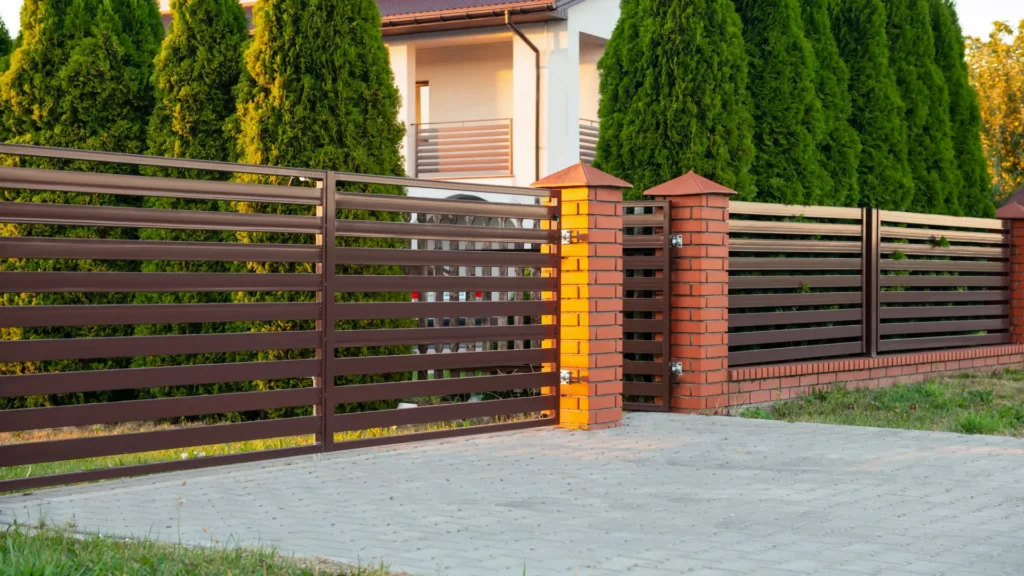
Residential fencing refers to fencing solutions specifically designed for homes and private properties. Its purpose goes beyond simply enclosing land. In Palmerston North, residential fencing is commonly used to balance privacy, safety, appearance, and neighbour-friendly boundaries. Homeowners typically choose fencing that fits their lifestyle, complements their home’s design, and complies with general local guidelines, while still being practical for everyday use.
Primary Purpose Of Residential Fencing
Residential fencing serves several important functions, most of which are focused on comfort, safety, and visual appeal rather than high-level security.
- Privacy: Residential fences help create a private outdoor space by reducing visibility from neighbours and the street, making gardens, patios, and backyards more enjoyable.
- Safety (Children & Pets): A well-built fence provides a secure barrier that helps keep children and pets safely contained within the property while preventing unwanted access from outside.
- Boundary Definition: Fencing clearly marks property boundaries, reducing confusion and potential disputes with neighbouring properties.
- Street Appeal: The right fence can enhance the overall appearance of a home, adding character and increasing perceived property value.
Most homeowners prioritise privacy and safety first, often followed by appearance. A common mistake is choosing a fence style based solely on looks without considering how it functions for daily living.
Common Residential Fence Types In Palmerston North
There is a wide range of residential fencing options available in Palmerston North, each suited to different needs, budgets, and property styles.
- Timber Fencing: A popular choice for privacy, timber fencing offers a natural look and can be customised in height and design, though it requires ongoing maintenance.
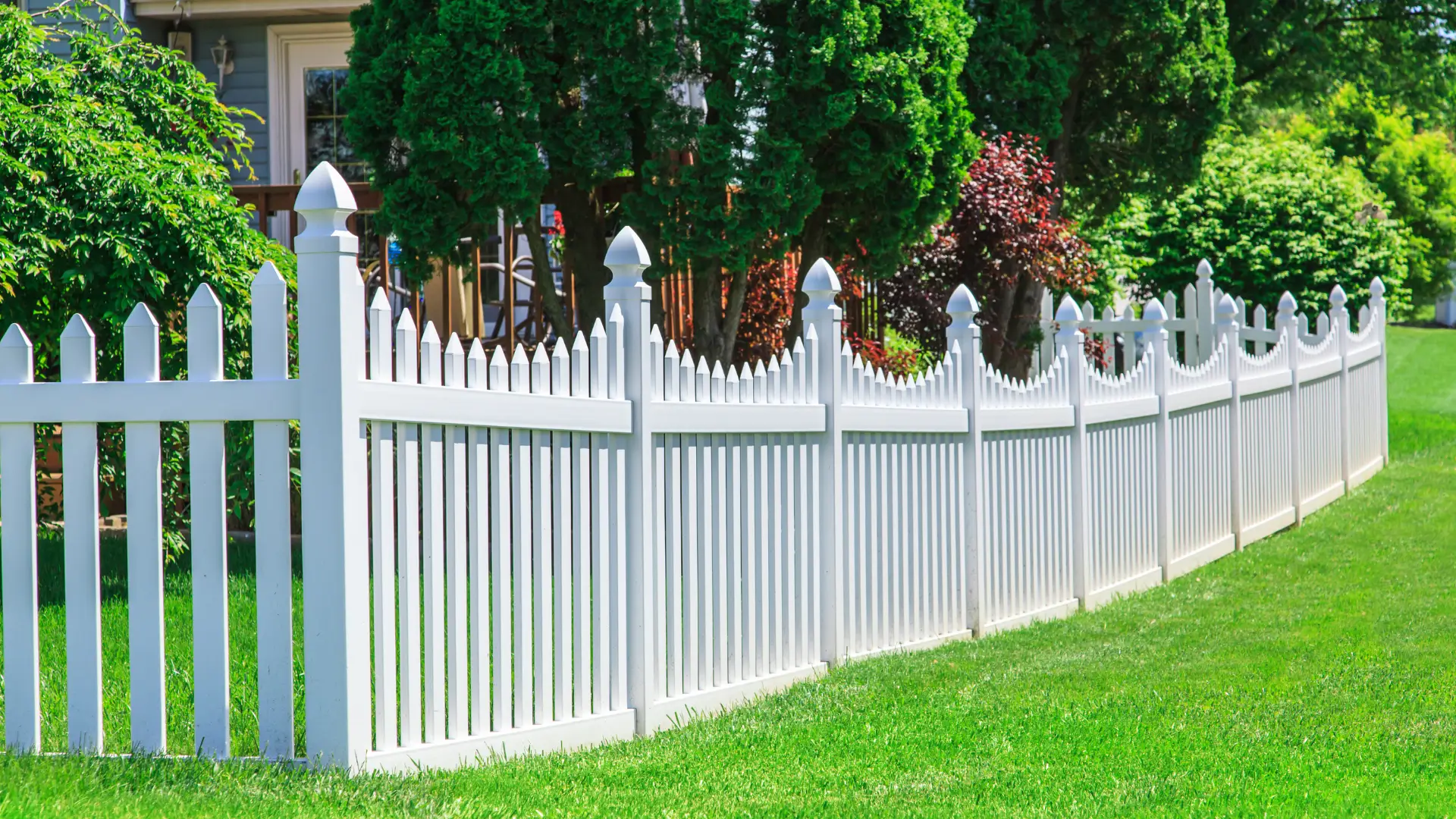
- Picket Fences: Often used for front yards, picket fences are more about defining boundaries and adding charm rather than providing privacy.
- Aluminium Fencing: Lightweight, low-maintenance, and modern in appearance, aluminium fencing is commonly used where visibility and durability are priorities.
- Colorsteel Fencing: Known for its strength and weather resistance, Colorsteel fencing provides privacy and suits many modern homes in Palmerston North.
- Pool Fencing: Pool fencing is designed to meet safety requirements around swimming pools and is generally subject to specific compliance standards, making professional installation especially important.
Choosing the right material depends on how much privacy is needed, how much maintenance the homeowner is willing to manage, and how the fence will handle local weather conditions.
Design And Aesthetic Considerations
Design plays a major role in residential fencing, particularly in established neighbourhoods where appearance matters just as much as function.
- Matching The Home Style: Fencing should complement the architectural style of the house, whether it is modern, traditional, or rural-inspired.
- Neighbour Visibility: Some homeowners prefer solid fencing for privacy, while others choose semi-open designs to maintain visibility and a sense of openness with neighbours.
- Height Restrictions In Residential Zones: Residential fencing is often subject to height limits depending on location within the property, such as front or rear boundaries, so it is important to consider these early in the planning stage.
Many homeowners overlook height and placement guidelines when planning a fence, which can lead to unnecessary adjustments later. While specific requirements vary, local council guidance generally helps shape what is considered appropriate for residential areas.
What Is Commercial Fencing?
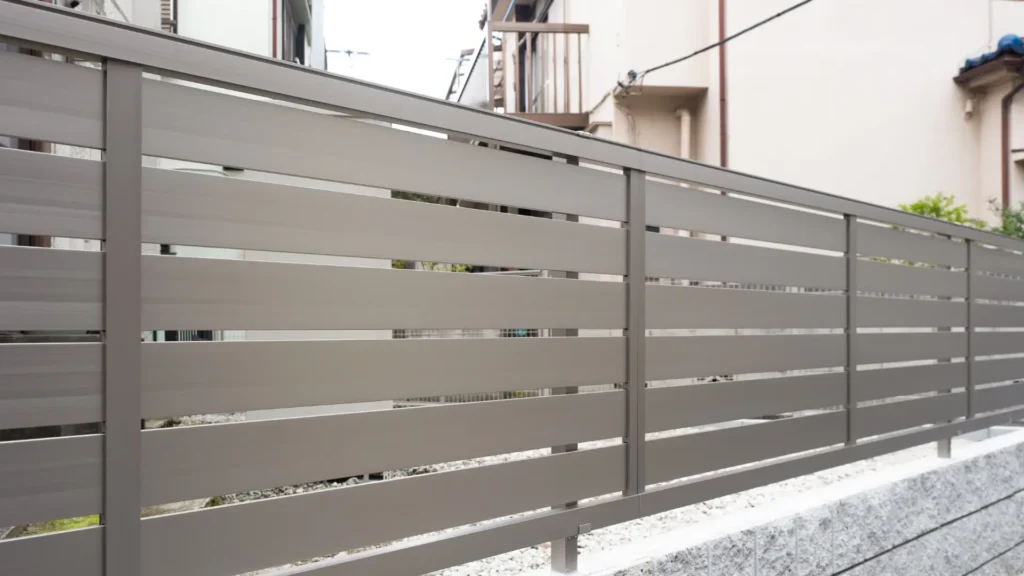
Commercial fencing refers to fencing systems designed specifically for business, industrial, and public-use properties where security, control, and compliance are higher priorities than appearance alone. Unlike residential fencing, which often balances privacy and aesthetics, commercial fencing is built to protect assets, manage access, and meet safety requirements across a wide range of operational environments such as warehouses, schools, car yards, and industrial sites.
Primary Purpose Of Commercial Fencing
Commercial fencing serves multiple critical functions that go beyond simply marking boundaries. Businesses rely on fencing as an essential part of their risk management and site security strategy.
- Security and access control: Commercial fencing is designed to restrict unauthorised entry, control vehicle and pedestrian movement, and support systems such as gates, keypads, or swipe access. For example, a warehouse in Palmerston North may use perimeter fencing and controlled entry points to protect stock after hours.
- Asset protection: Businesses often store high-value equipment, vehicles, or inventory on-site. Commercial fencing helps deter theft, vandalism, and trespassing, particularly in open or high-traffic areas like car yards or logistics depots.
- Liability reduction: Clearly defined boundaries reduce the risk of accidents involving the public. Fencing around schools, construction sites, or industrial facilities helps prevent unauthorised access and lowers the likelihood of injury claims.
- Compliance with workplace or site safety standards: Many commercial and industrial sites are required to meet health and safety regulations. Proper fencing helps businesses demonstrate due diligence by separating hazardous areas from public or staff access zones.
Common Commercial Fence Types
Different business environments require different fencing solutions, depending on the level of security, visibility, and durability needed.
- Chain link fencing: A practical and cost-effective option commonly used for warehouses, sports facilities, and industrial sites. Chain link fencing offers clear visibility while establishing a secure perimeter.
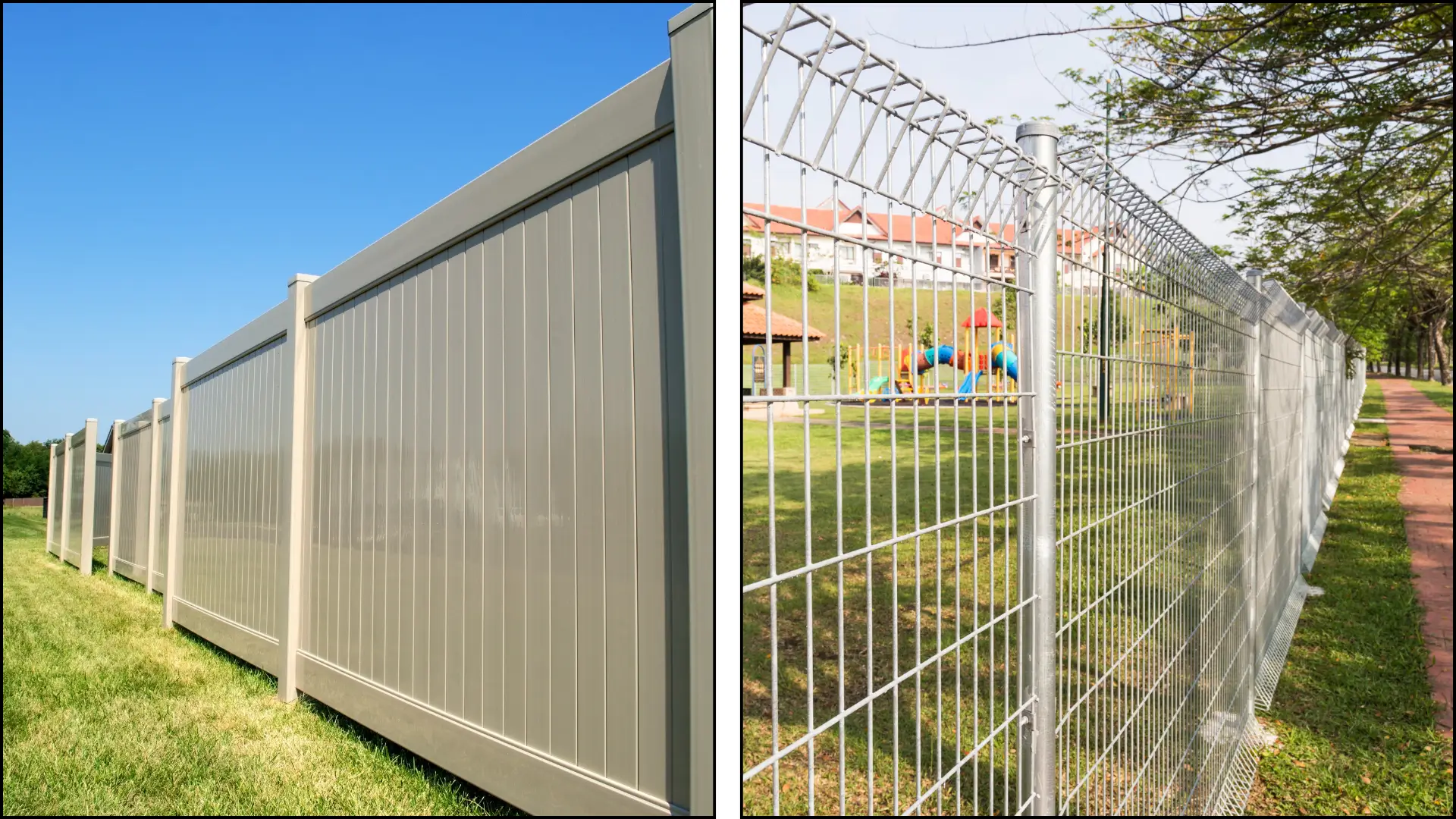
- Security mesh fencing: Designed with tightly spaced wires, security mesh fencing provides a higher level of protection against cutting and climbing. It is often used around schools, data centres, and commercial premises that require both safety and visibility.
- Palisade fencing: A heavy-duty fencing option with vertical steel pales, palisade fencing is ideal for high-security sites such as factories and substations. Its design makes climbing extremely difficult and acts as a strong visual deterrent.
- Automated gates: Frequently paired with commercial fencing, automated gates allow controlled vehicle and staff access. These are commonly seen at business parks, industrial yards, and secure parking facilities.
- Temporary construction fencing: Used on building sites and short-term projects, temporary fencing helps meet safety requirements while protecting equipment and materials during construction.
Function Over Form (Most Of The Time)
While appearance still matters, commercial fencing prioritises performance and longevity over decorative design. Businesses typically choose fencing solutions based on how well they function under demanding conditions.
- Durability and strength: Commercial fencing is built to withstand weather exposure, impact, and regular use. This is particularly important for industrial sites and schools where fencing must remain secure over many years.
- Anti-climb and anti-cut features: Many commercial fencing systems are engineered to prevent scaling or cutting, reducing the risk of break-ins. These features are essential for car yards and warehouses where theft prevention is a major concern.
- Long-term cost efficiency: Although commercial fencing can have a higher upfront cost, it often delivers better value over time due to reduced maintenance, fewer repairs, and longer service life compared to lighter residential options.
Commercial fencing exists to support business operations, protect people and property, and meet regulatory expectations. By focusing on function, security, and compliance, businesses can choose fencing solutions that align with their operational needs while providing long-term reliability and peace of mind.
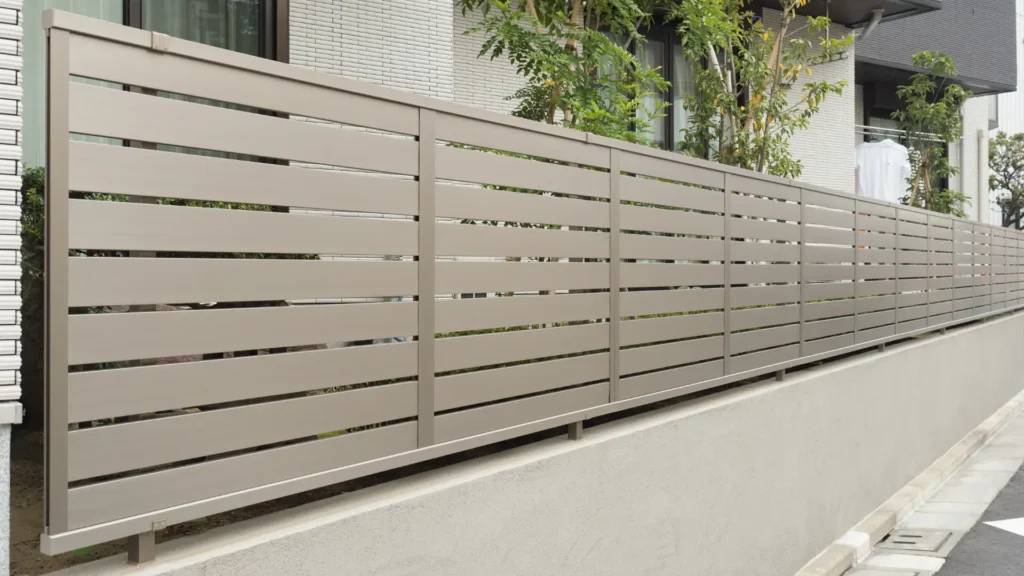
Key Differences Between Residential And Commercial Fencing
Understanding the differences between residential and commercial fencing in Palmerston North helps property owners avoid costly mistakes and choose a fence that truly fits their needs. While both options serve as boundaries, their purpose, construction, and long-term value vary significantly depending on how the property is used.
Security Requirements
Security is one of the most important factors that separates residential fencing from commercial fencing, and the expectations are very different for homes versus business sites.
Residential fencing is mainly designed to provide peace of mind without creating a fortress-like appearance. It focuses on discouraging unwanted access while keeping the property welcoming.
- Residential security focus: visual deterrence, child and pet safety, basic boundary protection
- Common examples: timber fencing, aluminium fencing, and Colorsteel fencing that limit access but remain aesthetically pleasing
Commercial fencing, on the other hand, is built with a stronger emphasis on preventing unauthorised entry and controlling who can access the site at any time.
- Commercial security focus: intrusion prevention, access control, asset protection
- Common examples: security mesh fencing, chain link fencing, palisade fencing, and automated gate systems
When comparing residential vs commercial fencing in Palmerston North, security requirements alone often determine which option is suitable.
Materials And Construction Standards
The materials and construction standards used in fencing vary greatly depending on whether the fence is residential or commercial.
Residential fencing typically uses lighter materials that balance durability with visual appeal and cost efficiency.
- Residential materials: timber, aluminium, Colorsteel, PVC
- Construction standards: moderate thickness, standard coatings, lighter fixings
Commercial fencing is engineered for long-term performance under heavier use and harsher conditions.
- Commercial materials: galvanised steel, heavy-duty mesh, reinforced posts
- Construction standards: increased thickness, industrial-grade coatings, tamper-resistant fixings
Another key difference is lifespan. Commercial fencing is expected to last longer with minimal degradation, especially in high-traffic or exposed areas around Palmerston North.
- Expected lifespan: residential fencing often requires earlier repairs or replacement, while commercial fencing is designed for extended service life
Height And Strength
Height and structural strength play a major role in fencing effectiveness and compliance.
Residential fencing is usually limited in height to maintain neighbourhood visibility and comply with zoning rules.
- Typical residential height limits: lower fence heights for front boundaries, moderate heights for side and rear boundaries
- Strength expectations: sufficient to prevent casual access, not designed for heavy impact
Commercial fencing is allowed and often required to be taller and stronger to meet security and safety demands.
- Commercial allowances: greater fence heights depending on site use
- Strength requirements: reinforced posts and panels designed to resist climbing, cutting, and forced entry
These differences make it clear why residential vs commercial fencing in Palmerston North cannot be treated as interchangeable options.
Legal And Compliance Considerations
Legal and compliance requirements differ depending on whether a property is residential or commercial, and these rules should always be considered before installation.
Residential fencing is generally governed by local zoning and boundary regulations.
- Residential zoning rules: height restrictions, boundary placement, visibility considerations
- Common compliance areas: pool fencing standards, shared boundary agreements
Commercial fencing often falls under stricter site regulations and health and safety expectations.
- Commercial site regulations: fencing requirements for industrial, retail, or public-facing properties
- Health and safety obligations: reducing public risk, controlling site access, protecting employees and visitors
While these points are not legal advice, they highlight why professional guidance is especially important for commercial fencing projects.
Budget And Long-Term Value
Budget considerations go beyond the initial cost of installation and should include long-term value and maintenance.
Residential fencing is usually more affordable upfront, making it appealing for homeowners working within a defined budget.
- Upfront cost: generally lower due to lighter materials and simpler installation
- Maintenance expectations: timber and similar materials may require ongoing staining, repairs, or replacement
Commercial fencing typically involves a higher initial investment but can offer better long-term value.
- Lifecycle cost: higher upfront cost offset by durability and reduced maintenance
- Maintenance expectations: minimal upkeep with protective coatings and robust construction
When evaluating residential vs commercial fencing in Palmerston North, considering long-term value often changes the final decision.
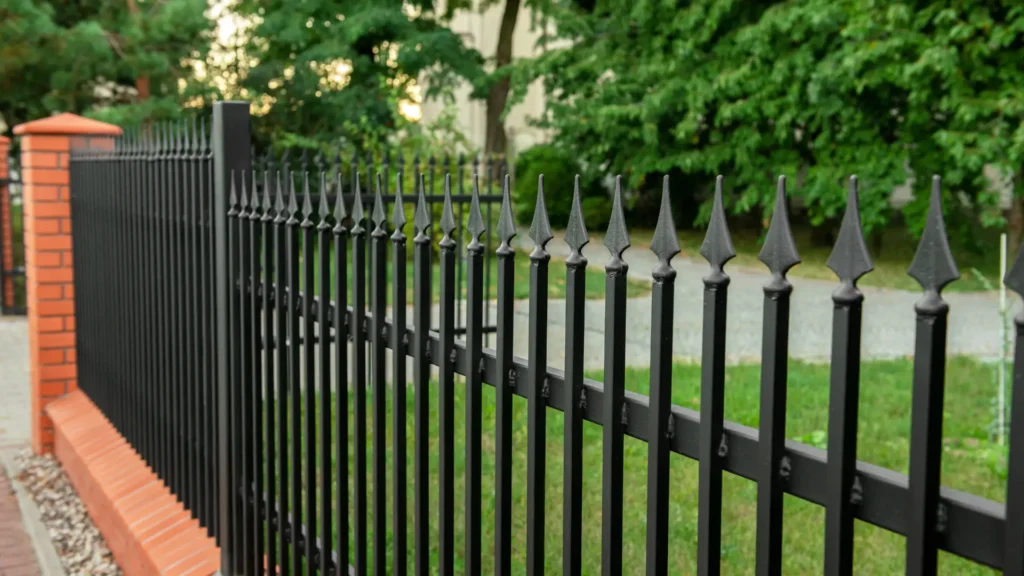
How To Choose The Right Fence For Your Property In Palmerston North
Choosing the right fence goes beyond appearance. In Palmerston North, the most effective fencing decisions are based on how a property is used, the local environment, and future plans. Drawing from hands-on experience with both residential and commercial fencing projects, taking a practical and property-specific approach helps ensure your fence remains functional, compliant, and durable over time.
Questions To Ask Before Choosing
Before deciding on fence materials or designs, it is essential to clearly define your needs. These key questions help guide a well-informed decision.
- Primary Purpose:
Start by identifying what the fence needs to achieve. Residential fencing often focuses on privacy, safety, and visual appeal, while commercial fencing is usually designed for security, asset protection, and controlled access. Clarifying the main purpose helps narrow down suitable fencing options early. - Access Requirements:
Consider who needs access to the property and how often. Homes typically require simple pedestrian or vehicle gates, while commercial sites may need multiple access points, secure entry systems, or wide gates for deliveries and vehicles. Access needs directly influence fence layout and gate design. - Visibility Level:
Decide how much visibility is required through the fence. Some properties benefit from solid fencing for privacy, while others require clear sightlines for safety, monitoring, or street presence. The level of visibility should match how the space is used daily. - Long-Term Property Plans:
Think about how the property may change over time. Future renovations, extensions, or changes in use can affect fencing needs. Choosing a fence that supports long-term plans helps avoid unnecessary replacements or upgrades.
Local Factors To Consider
Local conditions in Palmerston North play a significant role in how well a fence performs. These factors should always be taken into account during planning.
- Wind Exposure:
Strong winds are common in many parts of Palmerston North. Fence height, spacing, and structural strength should be selected to withstand wind pressure and reduce the risk of leaning or damage over time. - Property Layout:
The size, slope, and shape of the land can impact fence installation. Uneven terrain, boundary angles, and retaining walls may require customised fencing solutions rather than standard panels to ensure a secure and professional finish. - Neighbouring Properties:
Boundary fences should be planned with neighbouring properties in mind. Fence height, placement, and style can affect privacy and relationships with neighbours, making thoughtful design an important consideration. - Local Council Expectations:
Council guidelines may influence fence height, placement, and design, especially near roads or public areas. Understanding these expectations early helps avoid compliance issues and delays during installation.
Choosing With Confidence
Selecting the right fence is about matching your property’s real needs with local conditions and future goals. By asking the right questions and considering Palmerston North-specific factors, you can choose a fencing solution that delivers long-term performance, meets practical requirements, and adds lasting value to your property.
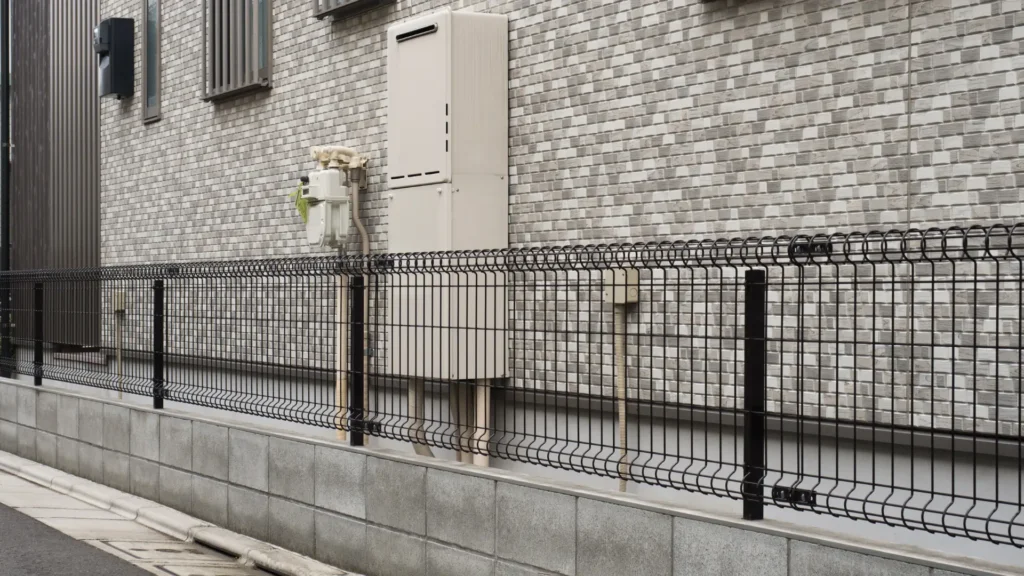
Can A Fence Be Both Residential And Commercial? (Hybrid Solutions)
Yes, a fence can serve both residential and commercial purposes, and this is more common than many property owners realise. In Palmerston North, there are many properties that fall into a grey area where standard residential fencing is not quite enough, but full-scale commercial fencing may feel excessive. Hybrid fencing solutions are designed to bridge this gap by combining visual appeal with added strength, security, and compliance.
Why Hybrid Fencing Is Sometimes Necessary
Some properties simply do not fit neatly into one category. They may look residential but function commercially, or they may serve multiple user groups at the same time. In these situations, a hybrid approach allows the fence to meet practical requirements without compromising the look or usability of the space.
Common reasons hybrid fencing is chosen include:
- Purpose: The property is used for both living and business activities
- Security: Higher security is needed than a typical home fence provides
- Compliance: Regulations require stronger or taller fencing than standard residential designs
- Aesthetics: The fence must still look appropriate in a residential setting
Home-Based Businesses
Home-based businesses are one of the most common examples where hybrid fencing works well. While the property may still be a private residence, the presence of clients, deliveries, or equipment changes the fencing requirements.
In these cases, hybrid fencing often includes:
- Design: Residential-style panels combined with reinforced posts
- Security: Lockable gates or limited access points
- Durability: Materials that can handle increased foot traffic
This approach maintains a welcoming appearance while adding practical protection for business operations.
Schools And Childcare Centres
Schools and childcare centres require fencing that balances safety, visibility, and durability. These properties often sit within residential neighbourhoods, which means the fencing must look appropriate while meeting strict safety standards.
Hybrid fencing solutions for these environments typically focus on:
- Safety: Child-safe heights and spacing
- Visibility: Clear sightlines for supervision
- Strength: Materials that withstand daily use and impact
The result is fencing that protects children without creating a harsh or industrial appearance.
Apartment Complexes
Apartment complexes sit between residential and commercial use by nature. They require fencing that manages shared access, protects residents, and enhances the overall appearance of the property.
Hybrid fencing is often used to achieve:
- Access Control: Defined entry and exit points for residents
- Privacy: Separation between public and private areas
- Longevity: Materials suited to long-term, shared use
This type of fencing helps property managers meet both functional and aesthetic expectations.
Mixed-Use Properties
Mixed-use developments combine residential living with commercial spaces such as offices, retail shops, or cafes. Fencing in these areas must clearly define boundaries while accommodating different users.
Effective hybrid fencing solutions often include:
- Zoning: Visual separation between residential and commercial areas
- Security: Enhanced protection for commercial zones
- Consistency: A unified design that ties the property together
Careful planning ensures the fence supports the needs of all occupants without creating confusion or access issues.
Why Local Expertise Matters For Hybrid Fencing
Hybrid fencing requires thoughtful design and a clear understanding of local conditions and regulations. Working with an experienced local fencing contractor in Palmerston North is important because they understand how to balance appearance, security, and compliance based on real-world experience.
A local professional can help with:
- Assessment: Identifying the true function of the property
- Compliance: Ensuring the fence meets relevant guidelines
- Design: Recommending materials that suit both residential and commercial needs
In short, hybrid fencing is not about compromise but about smart design. With the right guidance, it is possible to install fencing that looks appropriate, performs reliably, and supports how the property is actually used.
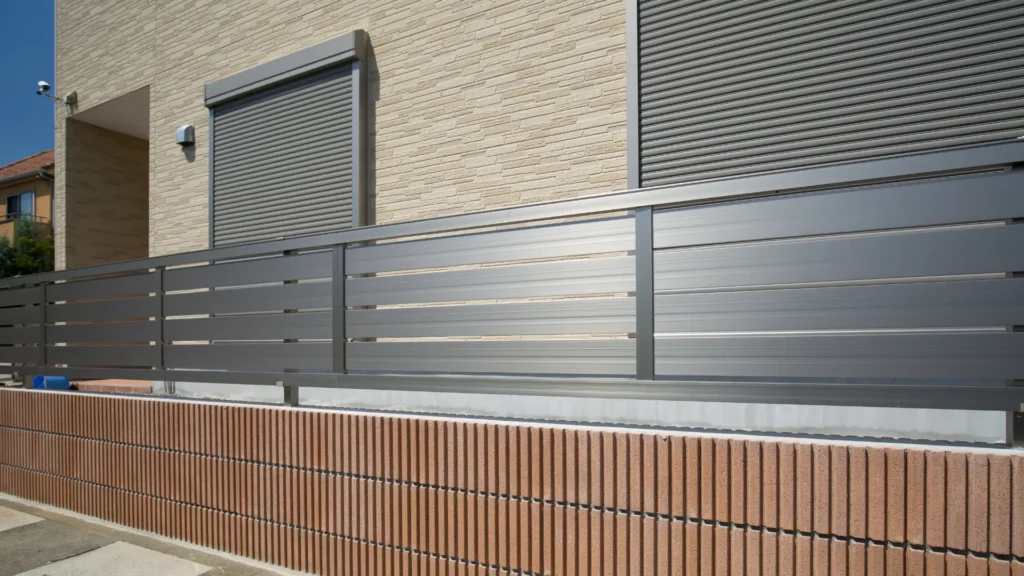
Why Working With A Local Palmerston North Fencing Contractor Matters
Choosing a fencing contractor is not simply about installation. It is about working with someone who understands the unique conditions, regulations, and property expectations in Palmerston North. A local fencing contractor brings hands-on experience and regional knowledge that directly influences the quality, durability, and compliance of your fencing project, whether it is residential or commercial.
Knowledge of Local Conditions
A Palmerston North–based fencing contractor understands how local climate and terrain affect fencing performance over time. Wind exposure, ground composition, and site layout all influence how a fence should be designed and installed. This local knowledge helps prevent common issues such as leaning posts, premature wear, or structural failure.
- Wind exposure: Local contractors account for prevailing winds when choosing fence height, spacing, and materials.
- Soil conditions: Understanding local soil types helps determine correct post depth and footing requirements.
- Property layouts: Familiarity with common section sizes and boundaries improves planning accuracy.
Familiarity with Council Guidelines
Local fencing contractors are generally familiar with Palmerston North City Council requirements and zoning expectations. While regulations can vary by property, local experience reduces the risk of non-compliance and unexpected changes during installation.
- Fence height limits: Residential and commercial zones often have different restrictions.
- Boundary placement: Correct positioning helps avoid disputes and council-related issues.
- Special fencing rules: Pool fencing and commercial sites may have additional compliance requirements.
Faster Site Assessments
Working with a local contractor often means quicker site visits and more efficient assessments. Being based nearby allows for timely inspections, clearer communication, and early identification of potential challenges.
- On-site evaluations: Physical inspections provide accurate measurements and realistic planning.
- Shorter wait times: Local availability often leads to faster scheduling.
- Early issue detection: Drainage, access, or boundary concerns can be addressed upfront.
Better Material Recommendations
Local fencing contractors have practical experience with materials that perform well in Palmerston North conditions. Rather than offering generic options, they can recommend materials based on durability, maintenance needs, and property use.
- Weather-suitable materials: Options that handle wind, moisture, and temperature changes effectively.
- Purpose-driven choices: Materials selected for privacy, security, or visual appeal as needed.
- Long-term performance: Recommendations that balance cost, lifespan, and maintenance.
Emphasising Local Expertise and Experience
Local expertise means more than technical ability. It includes insight gained from completing similar projects across Palmerston North and understanding what works in real-world conditions.
- Hands-on experience: Knowledge built from local residential and commercial projects.
- Problem-solving skills: Familiarity with common fencing challenges in the area.
- Consistent outcomes: Proven results across different property types.
Avoiding Sales-Focused Advice
A local fencing contractor is more likely to provide guidance based on suitability rather than sales pressure. Their recommendations tend to focus on what genuinely fits the property’s needs.
- Needs-based solutions: Fencing designed around function and usage.
- Clear explanations: Honest discussion of options and limitations.
- Practical recommendations: Advice grounded in experience, not trends.
Working with a local Palmerston North fencing contractor offers practical advantages that go beyond convenience. Their understanding of local conditions, regulations, and proven solutions helps ensure your fencing project is compliant, durable, and well suited to your property.
Still unsure which fencing option is right for your property? Choosing the wrong fence can lead to unnecessary costs, compliance issues, or security gaps. That’s why working with an experienced local fencing specialist makes all the difference. Visit our website today to explore tailored residential and commercial fencing solutions in Palmerston North, see real project examples, and get expert advice that’s specific to your property—not generic recommendations.
References
- Commercial Fences vs Residential Fences: 5 Key Differences
https://kdfencing.com/commercial-vs-residential-fences/ (KD Fence & Deck Services) - Residential vs. Commercial Fencing: What’s the Difference
https://www.mastersqualityfence.com/blog/2025/residential-vs-commercial-fencing-whats-the-difference.html (Masters Quality Fence) - Commercial vs Residential Fencing Differences
https://tendfencing.com/commercial-vs-residential-fencing-differences/ (Tend Fencing) - How Different Are Residential Fences From Commercial Fences?
https://acostafence.com/how-different-are-residential-fences-from-commercial-fences/ (acostafence.com) - Ultimate Guide To Best Types Of Fencing NZ
https://hamiltonfencebuilders.co.nz/best-types-of-fencing-nz/ (hamiltonfencebuilders.co.nz)
FAQs: About Residential Vs Commercial Fencing In Palmerston North
What is the main difference between residential and commercial fencing?
Residential fencing is designed for privacy, safety, and appearance around homes, while commercial fencing focuses on security, durability, and access control for businesses and commercial properties.
Is commercial fencing stronger than residential fencing?
Yes, commercial fencing is generally built with heavier-duty materials and stronger fixings to withstand higher impact, tampering, and long-term wear.
Which fencing option is more expensive in Palmerston North?
Commercial fencing usually costs more upfront due to stronger materials and higher security features, but it can offer better long-term value through reduced maintenance and longer lifespan.
Do I need council approval for fencing in Palmerston North?
Some fencing projects may require approval depending on height, location, and zoning. Residential and commercial properties can have different requirements, so it’s best to check before installation.
What fencing materials are most common for residential properties?
Popular residential fencing materials include timber, aluminium, Colorsteel, and picket fencing, chosen mainly for appearance, privacy, and safety.
What fencing materials are best for commercial properties?
Commercial fencing commonly uses chain link, security mesh, palisade fencing, and automated gates to provide higher levels of protection and access control.
Can a residential property use commercial fencing?
Yes, some residential properties—such as home businesses or high-security homes—use commercial-style fencing, provided it meets local regulations and suits the property’s purpose.
How long does fencing installation usually take?
Installation time depends on fence type, site conditions, and property size. Residential fencing is often quicker, while commercial fencing may take longer due to complexity and security features.
Which fencing option requires less maintenance?
Metal-based fencing such as aluminium, Colorsteel, and security mesh generally requires less maintenance than timber fencing, which may need regular staining or repairs.
How do I choose the right fencing for my property?
The best choice depends on your property’s use, security needs, budget, and local conditions. Consulting an experienced fencing professional can help you avoid costly mistakes and select the most suitable option.
Conclusion
Choosing between residential and commercial fencing ultimately comes down to understanding the purpose your fence needs to serve rather than focusing on appearance alone, as the right solution should align with how the property is used, the level of security required, and long-term performance expectations. Residential fencing is typically designed to enhance privacy, safety, and visual appeal for homes, while commercial fencing prioritises strength, durability, and controlled access for businesses and high-use properties, making each option suited to very different needs. In Palmerston North, local factors such as property zoning, site conditions, and council guidelines can further influence which fencing option is most appropriate, which is why local expertise plays an important role in avoiding costly errors and unnecessary upgrades. If you are unsure which fencing option best suits your property, speaking with a local fencing specialist can help you make a confident decision while saving time and preventing expensive mistakes in the long run.

About the Author:
Mike Veail is a recognized digital marketing expert with over 6 years of experience in helping tradespeople and small businesses thrive online. A former quantity surveyor, Mike combines deep industry knowledge with hands-on expertise in SEO and Google Ads. His marketing strategies are tailored to the specific needs of the trades sector, helping businesses increase visibility and generate more leads through proven, ethical methods.
Mike has successfully partnered with numerous companies, establishing a track record of delivering measurable results. His work has been featured across various platforms that showcase his expertise in lead generation and online marketing for the trades sector.
Learn more about Mike's experience and services at https://theleadguy.online or follow him on social media: